

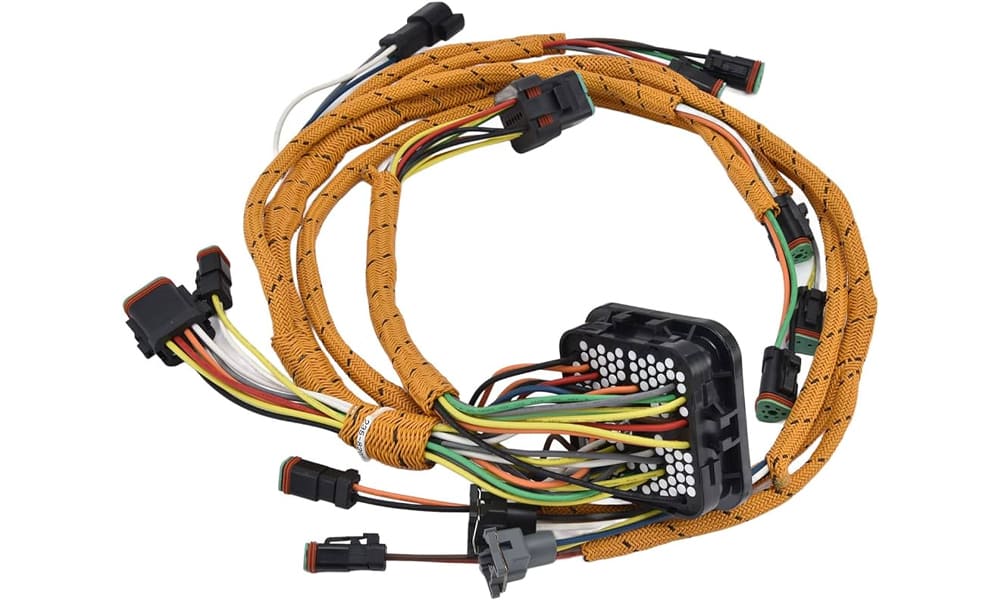
As modern electrical and electronic systems become increasingly complex, seamless connectivity is critical to performance, safety, and reliability. At the heart of this connectivity lies the wiring harness—a structured assembly that organizes electrical cables and connectors into a unified system. For industries ranging from automotive and industrial automation to medical equipment and renewable energy, the role of a professional wiring harness company is far more strategic than simple cable assembly.
In India, manufacturers are steadily advancing their capabilities to meet global quality benchmarks while addressing the growing demand for EMC-compliant system integration. This evolution is positioning the country as a key hub for high-quality wiring solutions.
Understanding the Role of a Wiring Harness in System Design
A wiring harness is designed to transmit power and signals efficiently while minimizing space usage, installation time, and the risk of electrical interference. Rather than routing individual wires across a system, harnesses bundle them into organized assemblies that improve both functionality and maintainability.
In complex systems, poorly designed wiring can lead to signal degradation, overheating, or electromagnetic interference. This is why harness design is closely linked to overall system performance, especially in electrically noisy environments.
Why EMC Compliance Matters
Electromagnetic compatibility (EMC) ensures that electrical systems operate reliably without causing or being affected by electromagnetic interference. In tightly integrated systems, wiring layouts can either amplify or suppress unwanted noise.
Manufacturers address EMC concerns through thoughtful harness design, material selection, and integration of components such as an emc filter at critical points. These measures help maintain signal integrity and ensure compliance with international standards.
How Indian Manufacturers Approach Harness Engineering
A professional wire harness manufacturing company in India typically follows a structured engineering process that prioritizes precision, repeatability, and compliance. The goal is to deliver assemblies that perform consistently across diverse operating conditions.
Key stages of the process include:
Application-specific design and documentation
Selection of insulated wires, connectors, and protective sleeves
Shielding and grounding strategies for noise reduction
Integration of filtering components where required
This systematic approach ensures that each harness meets both functional and regulatory expectations.
Design Practices That Support EMC Performance
Indian manufacturers increasingly emphasize EMC considerations early in the design phase. This proactive approach reduces the need for later modifications and simplifies compliance testing.
Common EMC-focused design practices include:
Optimized wire routing to reduce coupling and crosstalk
Use of twisted pairs and shielded cables for sensitive signals
Proper grounding and termination techniques
Strategic placement of filters and suppression components
By embedding these practices into the harness design, manufacturers help improve overall system resilience.
Manufacturing Precision and Quality Control
Beyond design, manufacturing accuracy plays a critical role in harness reliability. Consistency in wire lengths, crimping quality, and insulation integrity directly impacts electrical performance.
Quality-focused harness producers implement:
Automated cutting, stripping, and crimping processes
Visual and electrical testing at multiple stages
Continuity and insulation resistance checks
Final inspection against design specifications
These measures help ensure that each wiring harness performs as intended when deployed in the field.
Integration with Filters and System Components
In EMC-sensitive applications, wiring harnesses often work in conjunction with filters and suppression devices. Integrating an emc filter within the broader electrical system helps prevent conducted noise from propagating through power and signal lines.
A well-coordinated integration strategy ensures that the harness complements other system components rather than introducing additional interference paths. This holistic view is essential for applications such as automation control panels, medical devices, and communication systems.
Applications Across Multiple Industries
Indian wiring harness manufacturers serve a wide range of industries, each with unique requirements and compliance challenges. These include:
Automotive and electric mobility systems
Industrial machinery and robotics
Medical and diagnostic equipment
Power electronics and renewable energy systems
In each case, harness assemblies are tailored to meet specific electrical, mechanical, and environmental demands.
Strengthening India’s Position in Global Supply Chains
With improving technical expertise and adherence to global standards, Indian manufacturers are becoming preferred partners for international system integrators. Their ability to deliver customized, EMC-compliant wiring solutions at scale supports both domestic innovation and export growth.
As systems continue to integrate higher power densities and faster signal speeds, the importance of well-engineered wiring harnesses will only increase.
Building Reliable and Compliant Electrical Systems
A wiring harness is more than a collection of cables—it is a critical enabler of system performance and compliance. By combining thoughtful design, disciplined manufacturing, and EMC-aware integration practices, Indian manufacturers are delivering solutions that meet the demands of modern electronics.
As industries push toward smarter, more connected systems, the role of a capable wiring harness partner becomes essential in achieving reliability, safety, and long-term operational success.