

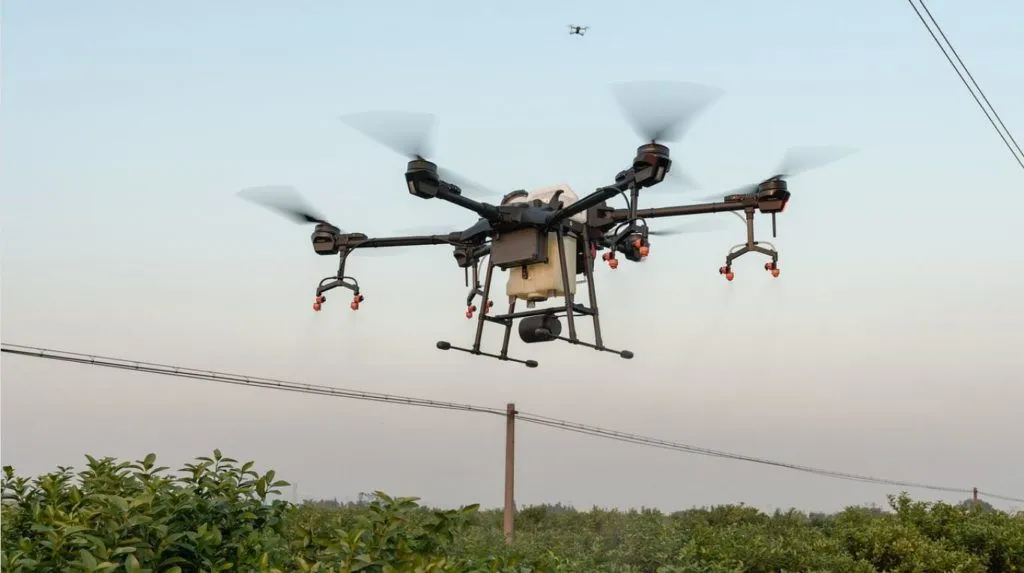
Unmanned aerial vehicles (UAVs) have become integral to applications ranging from surveillance and delivery to scientific research and defense. As UAV designs push toward ever lighter, more maneuverable, and more reliable systems, materials innovation must keep pace. In particular, Adhesives for UAVs play a crucial role in enabling structural integrity, weight reduction, and long-term durability in harsh environments. In this article, we explore the latest innovations in adhesives tailored for UAVs — how they are evolving to deliver stronger bonds, lower weight, smarter functionalities, and enhanced performance.
Why Adhesives Matter in UAV Design
Weight-sensitive platforms
Every gram counts in UAV systems. Excess weight can reduce flight time, limit payload, and diminish maneuverability. Traditional fasteners (bolts, rivets) and mechanical joining methods add local stress, require holes (weakening the structure), and often necessitate heavier joints. In contrast, advanced adhesives can distribute loads over larger bonded surfaces and reduce the need for mechanical hardware. That’s why Adhesives for UAVs are favored in modern composite airframes, composite-to-metal joints, and modular payload housings.
Structural integrity and fatigue life
UAVs often operate under vibrations, cyclic loads, temperature swings, and dynamic maneuvers. Adhesive joints must resist fatigue, delamination, microcrack propagation, and environmental aging. A well-tuned adhesive system helps maintain structural integrity over thousands of hours of flight, even in extreme conditions.
Thermal, moisture, and environmental stability
Adhesives used in UAVs must withstand UV exposure, thermal cycling, humidity, salt spray (for maritime operations), and chemical exposure. Advanced Adhesives for UAVs are engineered to maintain bond strength under these stresses and prevent creeping, degradation, or bond failure over time.
Manufacturing efficiency and scalability
In high-volume UAV production, adhesives must be easy to apply (automatable), have predictable cure profiles (fast cycle times), be compatible with composite layups, and allow for repairability. Innovations in dispensing, tape/film adhesives, and cure-on-demand systems support scalable manufacturing.
Key Innovations in Adhesives for UAVs
- High-performance structural adhesives with optimized toughness
Modern adhesives for UAVs are evolving to combine high stiffness and strength with enhanced toughness (ability to absorb impact without cracking). Through nano-reinforcements (e.g. silica nanoparticles, rubber tougheners), tailored polymer backbones, and hybrid chemistries (epoxy-urethane blends), these adhesives resist brittle failure and maintain bond resilience under shock, vibration, or impact.
- Low-density, high-specific-strength formulations
To support weight reduction goals, many adhesive systems now employ formulations with lower density (lighter fillers, hollow microspheres, or lightweight aromatic resin systems). When combined with optimized bondline thickness, these lighter adhesives still provide the mechanical performance demanded in UAV structures.
- Rapid-cure and on-demand curing systems
One major bottleneck in manufacturing is cure time. Innovations in adhesives for UAVs include fast-curing systems (minutes rather than hours), UV- or heat-activated adhesives, and latent-cure systems that remain stable during assembly but rapidly cure when triggered. These enable faster throughput without compromising performance.
- Adhesive films, tapes, and prepreg-compatible adhesives
Adhesive films and tapes offer precise deposition, clean handling, and repeatable thickness control. In UAV composite manufacturing, adhesives compatible with prepreg layups allow co-curing, integrating adhesive bonds into the composite cure cycle. This reduces steps and aligns adhesive performance with the composite structure.
- Multifunctional and smart adhesives
Future Adhesives for UAVs are being developed with added functionalities:
- Thermal conductivity (for heat dissipation in electronics or power systems)
- Electrical conductivity or insulation where needed
- Sensor integration (strain-sensing adhesives)
- Self-healing or damage-detecting chemistries
These smart adhesives can improve reliability, monitoring, and system integration.
- Environmental resistance and durability enhancements
Additives, UV stabilizers, moisture-barrier layers, and protective coatings enhance the durability of adhesives against degradation. Some systems incorporate low-outgassing formulations suitable for vacuum or high-altitude operations, minimizing contamination risks.
Application Areas of Adhesives for UAVs
Airframe bonding
Large composite surfaces (wings, fuselage shells, bulkheads) are often joined using adhesives to avoid stress concentrations from mechanical fasteners. Properly engineered adhesives distribute loads and sustain structural performance.
Composite-to-metal joints
Certain UAV subsystems—such as motor mounts, payload attachments, or landing gear—require bonding composite materials to metals (e.g. aluminum, titanium). Adhesives must bridge the dissimilar material properties and maintain integrity under thermal mismatch.
Payload housings and modules
Sensitive payloads (sensors, cameras, electronics) often require lightweight housings that can be adhesively bonded or integrated into the UAV shell. Adhesives here must offer mechanical support, vibration damping, and environmental protection.
Wing joints and control surfaces
Hinges, wing extensions, control surface interfaces, and folding mechanisms benefit from adhesives that resist fatigue and deliver repeatable stiffness.
Repairs and field maintenance
Adhesives tailored for field repairs (e.g. room-temperature cures, moisture-tolerant formulations) are essential for UAVs operating in remote or austere environments.
Challenges and Considerations in Selecting Adhesives for UAVs
Temperature range and thermal expansion
UAV adhesives must remain stable across wide temperature ranges (from cold altitudes to hot ground environments). Thermal expansion mismatch between bonded materials must be managed to avoid stress buildup and bond failure.
Cure shrinkage and residual stress
Excessive cure shrinkage can generate residual stresses that degrade joint strength or distort components. Optimizing adhesive formulations to reduce shrinkage is key.
Adhesion to low-energy surfaces
Modern UAV materials increasingly use low-surface-energy composites, advanced polymers, or coated surfaces. Adhesives for UAVs must ensure good surface preparation, primer compatibility, and adhesion promotion.
Longevity, aging, and fatigue
Ensuring that adhesives resist delamination, microcracks, creep, and environmental aging over extended flight hours is critical. Accelerated tests and lifecycle modeling help validate performance.
Process compatibility
Adhesive viscosity, pot life, dispensing method, cure schedule, and integration with composite layups must align with manufacturing workflows. An otherwise excellent adhesive is only useful if it is manufacturable at scale.
Certification, traceability, and supply chain
In aerospace and defense UAV programs, materials must often satisfy strict qualification, traceability, and documentation requirements. Selecting adhesives with documented performance, quality systems, and compliance is essential.
Case Studies & Real-World Examples
PTM&W / MAKO Integration
PTM&W provides advanced adhesives and composite resins tailored for drone applications. With recent acquisition by MAKO Advanced Materials, their combined capabilities support innovations in speed, strength, and supply chain resilience. Their adhesives and formulation systems are used in UAV/custom drone projects to enable faster cures, stronger joints, and traceability.
Makobond / HyperCure Systems
Makobond (under MAKO) offers HyperCure composite systems including film adhesives, prepregs, and paste adhesives for UAVs & UAS. Their offerings aim to shorten cure cycles, maintain strength, and meet the needs of drone manufacturers scaling to mass deployment.
Silicone adhesives for thermal management
Momentive offers silicone adhesives suitable for drones and UAVs, particularly where thermal conductivity, UV resistance, and wide temperature tolerance are required. These silicones can support sensor attachments, heat sinking, or environmental sealing in UAV systems.
Best Practices for Implementing Adhesives for UAVs
- Rigorous substrate preparation – Cleaning, surface treatment, primers, plasma or abrasion steps improve bond reliability.
2.Optimize bondline thickness – Too thin may starve the adhesive; too thick can reduce strength. - Select adhesives aligned to operating environment – Include margin for temperature, moisture, UV, fatigue.
- Use non-destructive inspection (NDI) – Techniques such as ultrasound, thermography, or bondline scanning help monitor joint integrity over time.
- Plan for repairs and rework – Use formulations or designs that allow field re-bonding if needed.
- Qualify materials early – Perform accelerated aging, fatigue, and environmental testing before committing to production.
- Ensure traceability and documentation – In critical UAV programs (defense, certification), maintain full records of adhesive batches, cure logs, and quality control.
Future Trends & Outlook
- Nanocomposite and hybrid adhesives integrating carbon nanotubes, graphene, or other nano-additives to enhance strength, conductivity, or sensing capability.
- Self-healing and damage-sensing adhesives that can autonomously repair micro-cracks or alert to bond degradation.
- Additive-manufactured adhesive layers where adhesives are printed or deposited in 3D patterns to tailor stiffness or flexibility across a joint.
- Biobased or eco-friendly adhesives to reduce environmental impact while maintaining performance.
- Integrated sensor/adhesive systems that merge structural adhesive with fiber-optic strain sensing or embedded monitoring.
As UAVs take on ever more demanding missions, Adhesives for UAVs must evolve beyond just “glue” to become smart, multifunctional enablers of lighter, stronger, and smarter flight systems. Innovations in adhesive chemistry, materials engineering, and integration techniques are pushing the boundaries of performance, manufacturability, and durability. For UAV designers, selecting the right adhesive system—and aligning it with structural, thermal, and environmental requirements—is a critical step toward delivering next-generation unmanned platforms.