

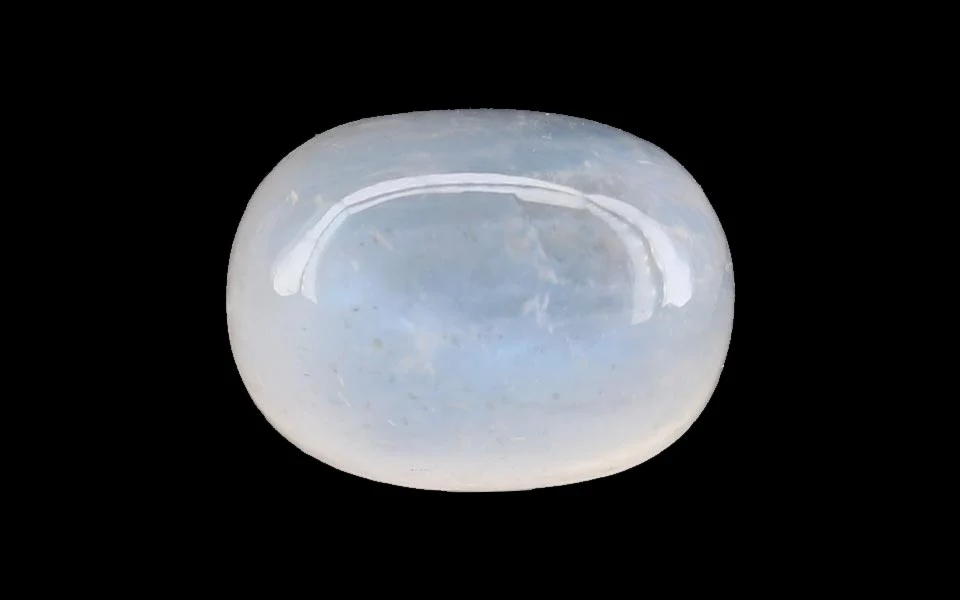
In the selenite vs moonstone debate, the short answer is that these are two different crystals that share only a lunar reputation. Selenite is a soft gypsum valued for cleansing and clarity, while moonstone is a harder feldspar tied to intuition and emotional balance. They look, feel, and work differently, so one rarely stands in for the other.
Both stones borrow their glow from the moon, and both turn up in the same wish lists for calm, clarity, and softer energy. That shared story is exactly why shoppers mix them up. Look a little closer and the two part ways fast, from what they are made of to what people reach for them to do.
Are selenite and moonstone the same crystal?
No. Selenite is a form of gypsum, while moonstone belongs to the feldspar family. They are different minerals with different hardness and a different way of catching light.
Selenite is a crystalline variety of gypsum, a calcium sulphate that forms in evaporating salt water. Moonstone is a feldspar, the same broad mineral group that builds much of the earth’s crust. So while their names both nod to the night sky, their chemistry places them in separate worlds. Knowing this one fact clears up most of the confusion before you even pick up the stone.
What are the physical differences between selenite and moonstone?
Selenite is very soft, fibrous, and water shy. Moonstone is harder, denser, and shows a floating blue-white shimmer called adularescence.
The clearest split is hardness. Selenite sits around 1.5 to 2 on the Mohs scale, soft enough to mark with a fingernail. Moonstone is far tougher at roughly 6 to 6.5, closer to quartz. Selenite tends to show long, satin-like fibres that catch light down its length, a look often called satin spar. Moonstone hides its magic inside: layers within the feldspar scatter light and create that milky glow that seems to drift as you tilt it.
| Attribute | Selenite | Moonstone |
| Mineral family | Gypsum (a soft sulphate) | Feldspar (a silicate) |
| Chemistry | Hydrated calcium sulphate | Potassium/sodium aluminium silicate |
| Mohs hardness | About 1.5 to 2 (very soft) | About 6 to 6.5 (much harder) |
| Signature look | Pearly, fibrous satin sheen along the length | Adularescence: a floating blue-white glow |
| Common colours | White, clear, pale peach, grey | Milky white, cream, grey, peach, rainbow sheen |
| Water friendly | No, it can flake and dissolve | Generally, yes, though brief contact is safest |
| Feel in hand | Light, slightly powdery, can scratch easily | Firmer, smooth, holds a polish |
Note: exact hardness and appearance vary by specimen and source, so treat these as general guides rather than fixed rules.
What do selenite and moonstone mean and how are they used?
Selenite is linked with cleansing, clarity, and stillness. Moonstone is linked with intuition, feminine energy, and new beginnings.
Selenite takes its name from Selene, the Greek goddess of the moon, and in crystal practice it is believed to clear heavy or stagnant energy. Many people keep a piece to reset a room, or rest other crystals on it as a simple way to refresh them. It is usually associated with the crown chakra and a sense of quiet mental space.
Moonstone carries a gentler, more emotional reputation. It is traditionally connected with intuition, cycles, and fresh starts, which is why it is a favourite for people working through change or wanting softer, more reflective energy.
They are both moon stones, so do they perform the same function?
No. Selenite is used mainly to clear and reset energy. Moonstone is used to work with emotions, intuition, and new phases of life.
This is where the two really separate. Selenite is treated as a cleansing tool, something you use on your space, your other stones, or yourself when you want a clean slate. Moonstone is treated as a companion for the inner world, carried to support calm, self-trust, and a softer response to change. Think of selenite as the reset button and moonstone as the steady friend. Using them together is common: cleanse with selenite, then wear moonstone for the day.
How can you tell selenite from moonstone at home?
Check hardness, weight, and glow. Selenite scratches with a fingernail and feels light; moonstone resists scratches and shows a moving inner sheen.
You do not need a lab to separate these two. A few gentle checks usually settle it:
- Scratch test: selenite can be marked lightly with a fingernail; moonstone cannot.
- Weight and feel: selenite feels light and slightly powdery, while moonstone feels firmer and smoother.
- The glow: moonstone shows a blue-white sheen that shifts as you tilt it; selenite gives a steady satin shine along its fibres.
- Water caution: never soak selenite, since it can flake or dissolve. If a seller says it is fine to soak, be cautious about what you are actually holding.
When in doubt, buy from a seller who names the mineral clearly. Careful sourcing is the simplest protection against a mislabelled stone.
Frequently Asked Questions
Is selenite stronger than moonstone?
Not in the way people expect. Moonstone is physically harder and more durable, while selenite is soft and fragile. In crystal belief, neither is stronger; they are simply used for different purposes, cleansing versus emotional support.
Can moonstone cleanse crystals the way selenite does?
Selenite is the stone most people reach for to refresh others, and it is often used as a charging plate. Moonstone is not usually chosen for that job. It is valued more for personal, intuitive work than for clearing energy.
Are selenite and moonstone both real moon stones?
Both are linked to the moon in tradition, but only through story and appearance, not chemistry. Selenite is named after a moon goddess, and moonstone glows like moonlight. Neither has any physical connection to the moon itself.
Which chakra do selenite and moonstone connect with?
Selenite is most often tied to the crown chakra and a sense of clarity. Moonstone is commonly linked with the crown and third eye in some traditions and the sacral chakra in others, reflecting its emotional, intuitive reputation. Correspondences vary between teachers.
Can I wear selenite as a bracelet like moonstone?
You can, but treat it gently. Selenite is soft and can scratch or wear down with daily knocks and moisture. Moonstone holds up far better for everyday wear, which is why it appears more often in bracelets and rings.
Do selenite and moonstone work well together?
Many people pair them: selenite to clear and reset, then moonstone to carry through the day for calm and intuition. They complement rather than compete, so keeping both is a popular choice.
The takeaway
Selenite and moonstone share a moonlit name and a soft glow, and that is where the likeness ends. Selenite is a fragile gypsum used to clear and reset, while moonstone is a sturdier feldspar carried for intuition, calm, and fresh starts. Once you know the hardness, the look, and the intention behind each, choosing between them, or keeping both, becomes easy.
Disclaimer: Crystal meanings and energy uses described here reflect spiritual and traditional beliefs, not scientific or medical fact. They are not a substitute for professional medical, psychological, or financial advice. If you are dealing with a health or emotional concern, please speak with a qualified professional.
Want to choose your next crystal with more confidence? Explore guides and pieces at www.ankastra.com.