

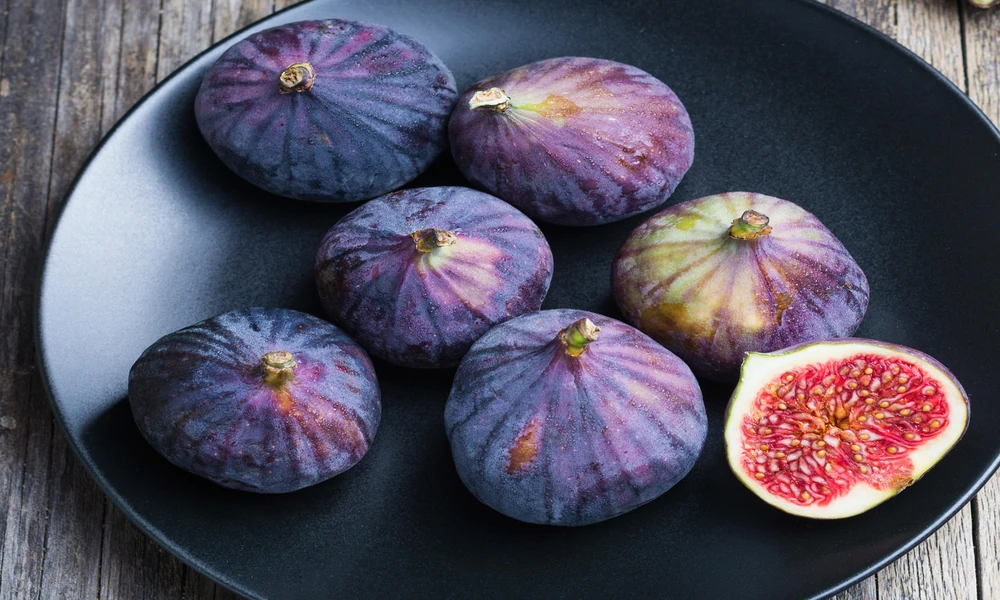
A fig covered in large leaves looks thoroughly at home in a garden, yet that same vigour becomes awkward when branches fill the available space and ripe fruit remains scarce. Giving a young tree the richest soil and the greatest possible root room is not always the best route to the manageable, productive plant its owner imagined. With figs, the relationship between growth and cropping deserves attention before the planting place is fixed.
Restricting the roots is one way of influencing that relationship, but it introduces responsibilities as well as opportunities. A container, a bounded area of soil and unrestricted ground each create a different arrangement for watering, feeding and future care. The useful choice depends on the site and the gardener’s habits. Five connected decisions help turn the general instruction to contain a fig into a workable plan for a British garden, without treating restriction as a guarantee of fruit.
Fruit-Trees, a specialist fruit nursery, highlights fig vigour in its greenhouse guidance and recommends containing the plant in a pot rather than allowing unrestricted growth in the greenhouse border. For gardeners preparing to buy fruit trees, that observation makes the planned root environment an important part of choosing a fig. The advice concerns managing growth in a particular setting, so the next step is to weigh the garden’s own conditions and the attention a contained plant will receive throughout its life.
Begin by separating the purpose of restriction from the method used to achieve it. The aim is a healthy tree whose growth and crop remain manageable, followed by a planting arrangement that supports that aim through ordinary summers and more demanding spells of weather.
Understand Fig Root Restriction Before You Buy Fruit Trees
Root restriction means deliberately limiting the volume of soil available to the roots. It differs from forgetting a plant in an unsuitable pot until it declines. In fig cultivation, containing the root system helps check excessive leafy growth and encourages fruiting, while pruning shapes the growth above ground. Neither operation removes the need for a suitable site. A neat root enclosure does not provide the warmth missing from a shaded corner.
Nor is restriction an absolute requirement in every garden. The RHS account of its National Collection explains that the dry summers and sandy soil at Wisley make it unnecessary there, while containing roots is recommended for more vigorous growth on heavier clay. This is a useful reminder to consider conditions rather than copy a construction detail without its context. An established fig growing well locally offers a starting point for questions, although it does not prove that a different plot will behave identically.
Keep the intended result specific. Perhaps the tree must remain accessible from the ground, leave a sitting area clear or produce a modest crop within a limited border. These are better design aims than simply wanting the maximum number of figs. Imagine the leaves and branches occupying their permitted space, then consider where a person will stand to inspect the plant. The size of the nursery pot gives little indication of that future arrangement.
It also helps to distinguish a young tree settling in from an established tree making excessive growth. A disappointing first season is not, by itself, evidence that the roots need harsher treatment. Establish what the plant is doing before changing its conditions. Growth, leaf condition, fruit development and the amount of attention required together provide a more useful picture than the presence or absence of one ripe fig. That picture is the basis for the five choices that follow.
Match the Site to the Amount of Growth You Accept
The first decision combines location with the amount of growth you are prepared to accommodate. Choose the best available warm, sunny and sheltered position, then assess the space as it will be used. A south-facing wall behind a crowded seating area might offer warmth but leave little room to reach the branches. Another position with clear access might be easier to maintain. Compare the complete growing space rather than awarding the planting place to whichever corner appears hottest at midday.
A fig also has to preserve the parts that will carry its crop. In typical British outdoor conditions, the small fruitlets formed late in the previous summer are particularly valuable because they overwinter before developing the following season. Cold damage to those shoot tips therefore matters even when the older tree survives. This makes accessible branches useful where winter protection is needed. A tree that is allowed to become an impressive specimen is a different proposition from one kept within reach for covering and picking. Neither role is inherently wrong, but they should not be confused when choosing how tightly to manage growth.
Decide what the garden can give up as the tree develops. Draw the intended canopy on a simple plan, including the adjacent path, window or border that must remain usable. For example, a fig beside a narrow terrace needs a clear limit on outward growth, while one at the edge of a larger lawn might have more freedom. Discuss the cultivar and proposed shape with the supplier instead of relying on a generic label showing a mature tree. Once the acceptable outline is clear, root restriction becomes one tool for supporting that choice. It should not be used to justify planting a potentially substantial tree in a space that offers no room for its branches or for the gardener.
Choose Between a Container and a Permanent Planting Place
The second decision is whether the fig belongs in a container or in the ground. A pot makes the root boundary visible and gives some flexibility over position. That flexibility is valuable only while the plant remains practical to handle. Before treating movement as part of the plan, consider the combined weight of the pot, moist compost and mature tree, together with the route it would need to travel. A step or narrow doorway matters more than it does when the plant is small.
A permanent planting place avoids repeated handling and allows the garden layout to develop around the tree. Where root restriction is appropriate, a properly designed bounded planting area offers a different commitment from a free-standing pot. The choice is therefore partly about permanence. If the position will remain suitable for years and there is room to maintain the canopy, planting in the ground deserves consideration alongside the more familiar patio container.
Consider two hypothetical households. One has a sheltered paved courtyard, an outside tap nearby and a convenient winter shelter for a manageable pot. The other has an open border and wants a tree that becomes part of the permanent planting. Both have a reason to consider a fig, but the same growing arrangement need not suit both. The first should test the handling route; the second should assess soil and future access before committing to an enclosure.
Avoid choosing the pot solely because it hides uncertainty about the garden. Containers require their own decisions about drainage, growing medium and continuing attention. Equally, do not assume an in-ground fig will fit simply because a hole can be dug. Write down why the chosen arrangement suits the household. A clear reason, such as accessible watering or a permanent sunny position, is more useful than a vague expectation that one method is always easier.
Define the Root Boundary Without Creating a Wet Pocket
The third decision concerns the boundary itself. If the roots are to be contained in the ground, that intention needs a deliberate, inspectable arrangement. A few pieces of rubble placed loosely around the planting hole do not establish a reliable limit. Choose a recognised fig-growing method and understand how its sides, base and surrounding soil work together before installing it.
RHS guidance describes a pit lined at the sides with paving slabs, while its training advice also recognises root-control bags and large containers. These are different systems, with different installation requirements. Follow the relevant specification rather than combining parts of several methods. In particular, restriction must not create a sealed vessel that retains water around the roots through wet weather.
Inspect the proposed position after rain. If water already collects there, constructing an enclosure does not resolve the underlying problem. A gardener who discovers persistently wet soil should reconsider the site or choose a suitable container arrangement with effective drainage. This is an assessment of the growing environment, not a reason to make a deeper hole and hope the water disappears.
For a pot, examine where water will leave it and where that water will go. The drain openings should remain functional when the container is standing in its final position. A decorative outer vessel deserves the same scrutiny as the planting pot inside it. The fact that a container looks substantial says nothing about whether its base will remain clear of standing water.
Leave the boundary accessible enough to inspect later. Once permanent edging, furniture or dense planting covers every side, checking the arrangement becomes an avoidable nuisance. Clear access also makes discussion with a nursery more precise: the question becomes whether that particular system suits the proposed fig and site, rather than whether roots should be restricted in the abstract.
Make Watering and Feeding Practical from the Start
The fourth decision is whether reliable care will reach the restricted roots. A pot or bounded planting area reduces the soil the plant can draw on, so watering access belongs in the design rather than in an afterthought. Test the route from the tap with the garden in normal use. If a full watering can must pass through a house or around several obstacles, that inconvenience will recur whenever the tree needs attention. A nearby seat or attractive view does not compensate for an arrangement that makes routine checking difficult.
Aim for steady moisture appropriate to the plant and weather, rather than using drought to restrain growth. Fig leaves or fruits may be shed when the plant becomes too dry, and University of Georgia guidance also identifies drought and excessive fertilisation as possible contributors to disappointing fruit development. These general physiological cautions are more useful than importing a feeding calendar from a different climate. In Britain, follow fig-specific advice for the growing system and the instructions on the chosen fertiliser. More feed is not an automatic answer to a small crop, particularly when the tree is already making abundant leafy growth.
Make the routine observable. Check the moisture in the growing medium, watch whether watering drains away normally and look at the plant before deciding what it needs. Keep fertiliser where its measuring instructions remain available, rather than relying on an unlabelled scoop or occasional generous application. During an absence, explain the actual arrangement to the person taking over; a fig in a pot and one in open ground should not receive identical instructions by default. The decision is complete when watering and feeding are feasible for the household through the whole growing season. If that seems unrealistic, a less demanding planting arrangement is a sensible adjustment before the tree becomes established.
Allow for Renewal and Care as the Fig Develops
The fifth decision looks beyond planting day. Root restriction is a continuing growing arrangement, so consider who will inspect it and how the tree will be managed as it develops. A container that is easy to reach now may become awkward beneath a spreading canopy. Leave working room and decide whether future handling will need help. There is no advantage in planning a compact tree whose pot is permanently trapped behind other heavy objects.
Container figs eventually need attention to their growing medium and roots, while an in-ground enclosure needs checking for roots that escape its intended boundary. These tasks are reasons to choose an accessible system, not an invitation to cut roots whenever growth seems strong. The appropriate intervention depends on the plant’s condition and the arrangement used. If renewal becomes necessary, seek advice specific to that tree rather than applying a fixed percentage of root removal.
Above ground, keep a relationship between the shape and the crop. Regular fig pruning helps maintain useful young growth, but severe cutting encourages strong regrowth and indiscriminate shortening removes fruit-bearing tips. A planned outline is easier to maintain than one repeatedly recovered after branches have occupied an unwanted space. Remember that the sap is irritating when handling cut growth, and use protective gloves.
Reassess the five decisions together when circumstances change. A new fence may alter shelter, a rearranged patio may obstruct access, or the household may have less time for watering. Respond by reviewing the site, growing arrangement, boundary, care access and future workload as a connected plan. A successful choice leaves the fig healthy and the garden usable. Restricting roots is valuable when it supports that balance; the measure of success is the resulting plant and manageable care, rather than how tightly the roots have been confined.