

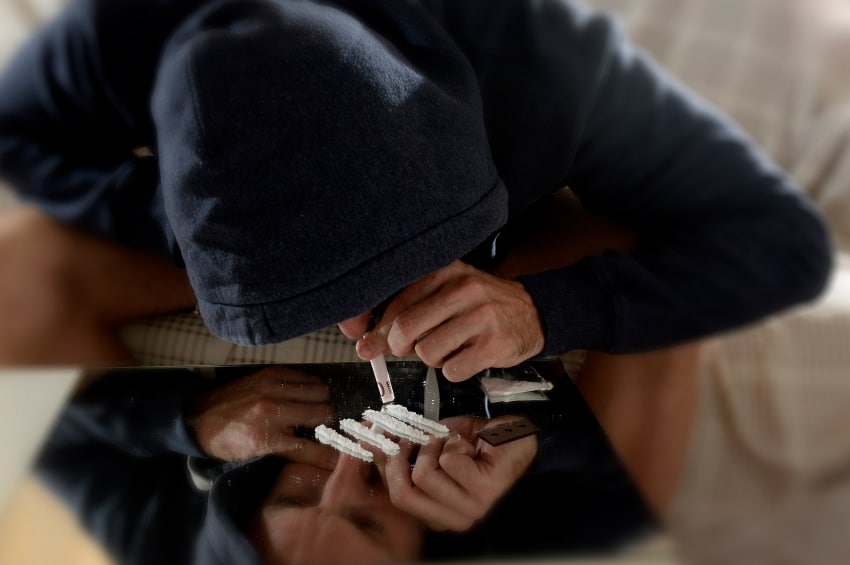
Cocaine’s powerful, fast-acting effects can quickly evolve into a cycle of compulsive use, impacting mental clarity, emotional balance, and everyday life. Breaking free from this cycle begins with recognizing the need for help—and accessing care that treats both the addiction and the individual.
Effective recovery services often begin with a compassionate, structured environment that offers flexibility and support. Whether in a residential or outpatient setting, these programs guide individuals through safe detox, evidence-based therapy, and long-term strategies for maintaining sobriety.
Customized Outpatient Care That Evolves with You
A tailored approach to addiction recovery begins with understanding each person’s background. At the outset, clinicians conduct a thorough evaluation of mental health, life challenges, and substance use history. This foundational step allows for designing a care plan that aligns with individual strengths, vulnerabilities, and goals.
Outpatient programs stand out for their adaptability. Offering access to Cognitive Behavioral Therapy (CBT), Dialectical Behavior Therapy (DBT), medication-assisted treatment (MAT), and trauma-informed counseling, these programs offer credible, science-based interventions that build awareness, emotional resilience, and relapse prevention tools.
Creating Supportive Spaces for Healing
The environment plays a vital role in recovery, and thoughtfully designed facilities nurture both calm and hope. Comfortable lounges, peaceful therapy spaces, and adjunct wellness offerings—like yoga or mindfulness—help individuals reconnect with their bodies and emotions in an atmosphere of acceptance.
A strong clinical team—comprising therapists, case managers, and care coordinators—serves as steady support. From guiding daily therapy to connecting with community resources, they walk alongside individuals through each phase of recovery.
Sustaining Recovery: Continuity, Flexibility, Empowerment
An effective cocaine recovery program unfolds in phases. It typically begins with an intake process that matches treatment structure to readiness and need. Participants may engage in a Partial Hospitalization Program (PHP), attend an Intensive Outpatient Program (IOP), or choose standard outpatient treatment (OP) depending on their comfort level and life commitments.
As progress is made, a transition phase helps people step down from structured care toward greater independence—while keeping support within close reach. This may involve outpatient services, family integration, community groups, and relapse planning. Even after formal treatment ends, individuals benefit from flexible maintenance support to reinforce wellbeing and adapt to life’s evolving challenges.
Connecting Local Needs with Tailored Care: Dallas Rehab Paths
Although this model describes a Chicago-based program, similar principles apply closer to home in North Texas. For locals navigating addiction recovery, Dallas Drug Rehab centers offer equivalent evidence-based outpatient services, compassionate team support, and personalized care planning for cocaine use disorder.
Likewise, Dallas alcohol rehab facilities specialize in treating alcohol dependence with structured programs, therapy, and ongoing monitoring to support long-term sobriety. The foundations—clinical expertise, individualized planning, and a continuum of care—are shared hallmarks between drug and alcohol recovery.
The Heart of Healing: Personalized Support, Lifelong Recovery
Real recovery transcends mere detox—it embraces emotional healing, self-awareness, and the tools to handle life’s challenges with clarity and strength. Programs built around personalized treatment, inclusive support networks, and flexible transitions are designed to sustain hope and empowerment.
Whether returning from Chicago or facing your own path in Dallas, the key lies in selecting a program that responds to your needs with empathy, professionalism, and a commitment to your long-term wellbeing—whether that’s through Dallas Drug Rehab or Dallas alcohol rehab. With the right foundation, recovery becomes more than possible—it becomes liberating.