

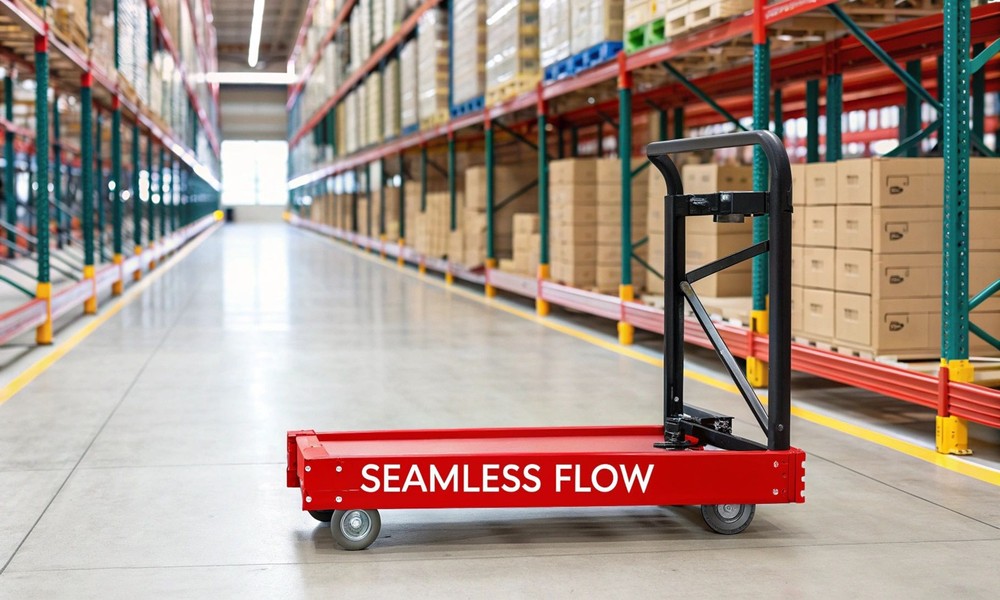
A platform dolly is one of those pieces of equipment that nobody thinks about until they need one, and then they wonder how they ever managed without it. Across warehouses, factories, retail stockrooms, and logistics hubs in Singapore, the platform dolly has become essential kit for moving heavy loads efficiently and safely.
The concept is simple. A flat platform mounted on casters allows a single worker to transport loads that would otherwise require two or three people to carry. But simplicity is precisely what makes the platform dolly so effective. There are no complicated mechanisms to learn, no power sources to maintain, and no special training required. You load it, you roll it, you get the job done.
The Real Cost of Manual Handling
Singapore’s Workplace Safety and Health Council has long flagged manual handling as one of the leading causes of workplace injuries. Lifting, carrying, and pushing heavy objects accounts for a significant share of musculoskeletal disorders reported each year. Back injuries, shoulder strains, and knee problems are not just painful for workers. They are expensive for employers.
Every injury means lost productivity, medical costs, and potential compensation claims. In severe cases, it means losing a trained worker for weeks or months. A platform dolly that costs a fraction of a single workers’ compensation claim eliminates the root cause of many of these injuries.
The arithmetic is straightforward. Invest in proper material handling equipment now or pay far more in human and financial costs later.
What Makes a Good Platform Dolly
Not all dollies are created equal. The difference between a reliable platform dolly and one that creates more problems than it solves comes down to a handful of design factors.
- Load capacity. The dolly must be rated for the heaviest loads you intend to move. Exceeding the rated capacity warps the platform, damages the casters, and creates a tipping hazard.
- Platform material. Plastic platform dollies offer advantages over wooden or metal alternatives. They resist moisture, do not splinter, and are lighter to handle when empty. They also will not rust in humid environments like Singapore’s.
- Caster quality. The wheels are the most critical component. Look for sealed bearings that roll smoothly on concrete, tile, and epoxy-coated floors. Swivel casters on all four corners provide maximum manoeuvrability, while a combination of fixed and swivel casters offers more stability for straight-line transport.
- Platform size. Match the dolly dimensions to the loads you move most frequently. A platform that is too small forces you to balance loads precariously. One that is too large wastes space and makes navigating tight aisles difficult.
- Non-slip surface. A textured or rubberised platform surface prevents loads from sliding during transport, reducing the risk of dropped items and damaged goods.
Where Platform Dollies Make the Biggest Difference
The versatility of the platform dolly means it finds a home in virtually every industry.
- Warehousing and logistics. Moving cartons, crates, and bins from receiving docks to storage areas and from storage to dispatch.
- Retail. Restocking shelves from the back room, especially for heavy items like beverages, canned goods, and bulk products.
- Manufacturing. Transporting raw materials, components, and finished goods between workstations on the factory floor.
- Hospitality. Moving supplies, furniture, and equipment during event setups, housekeeping rounds, and kitchen operations.
- Healthcare. Shifting heavy medical supplies, equipment, and laundry within hospitals and clinics.
In each setting, the dolly eliminates the strain of manual carrying and speeds up the process considerably.
As Lee Kuan Yew once said, “Efficiency is doing things right. Effectiveness is doing the right things.” A platform dolly is both. It makes the task of moving heavy loads physically easier and operationally faster.
Plastic vs Metal vs Wood
Facilities managers often debate which material is best for platform dollies. Each has its merits, but for most Singapore-based operations, plastic comes out ahead.
- Plastic is lightweight, moisture-resistant, hygienic, and easy to clean. It will not corrode in humid conditions and is suitable for food-handling environments. A plastic material handling dolly typically lasts for years with minimal maintenance.
- Metal is stronger for extreme loads but heavier, prone to rust without proper coating, and can damage floors.
- Wood is inexpensive but absorbs moisture, splinters over time, and is difficult to sanitise, making it unsuitable for food and pharmaceutical settings.
For general-purpose use in Singapore’s climate, plastic strikes the best balance of durability, hygiene, and cost-effectiveness.
Getting the Most from Your Investment
A few practical steps will help you maximise the value of your platform dollies.
- Train staff on proper loading. Centre the load on the platform and distribute weight evenly. Off-centre loads tip easily and strain casters unevenly.
- Inspect casters regularly. Hair, packing straps, and debris wrap around wheel axles over time, reducing mobility. A quick check every fortnight keeps dollies rolling smoothly.
- Match the dolly to the task. Do not use a light-duty dolly for heavy-duty loads just because it is the closest one to hand. Overloading shortens the lifespan of the equipment and increases safety risks.
- Store dollies properly. Stack them neatly when not in use. Leaving them scattered across the floor creates tripping hazards and makes them harder to find when needed.
A Simple Tool That Delivers Real Results
The industrial platform dolly will never be the most glamorous piece of equipment in your facility. But it will quietly save your team from unnecessary strain, speed up material movement, and reduce the kind of slow-burning injuries that drain productivity over time. For any operation that moves heavy loads by hand, the platform dolly is not optional equipment. It is standard.