

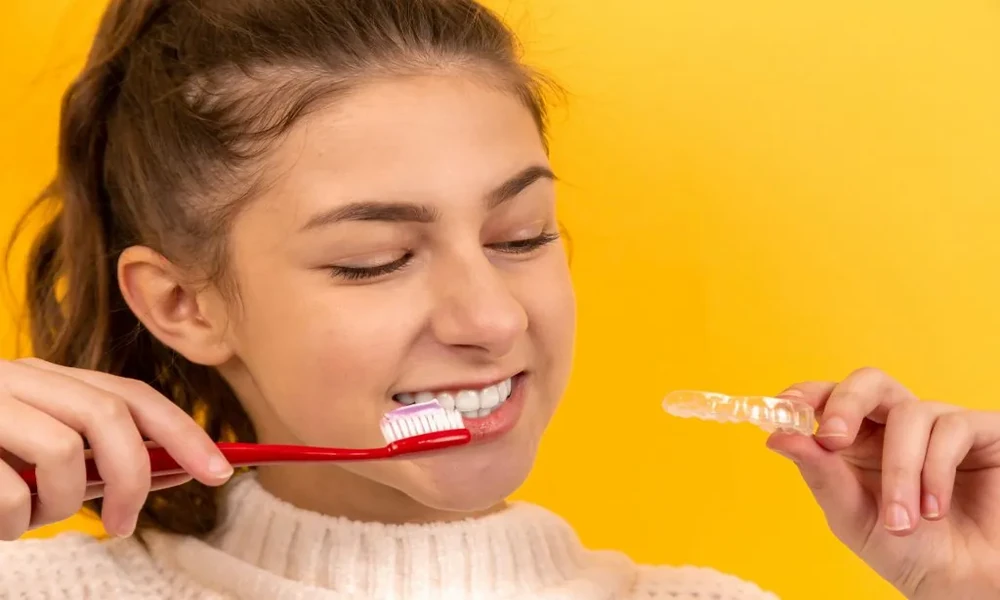
You can usually feel when a family routine is slipping, even before anyone says it out loud. Mornings get rushed, bedtime gets uneven, someone keeps complaining about a sore tooth, and the toothbrushes in the bathroom start to look more like decoration than part of a plan. If that sounds familiar, you are not failing. You are dealing with what most households deal with, which is busy schedules, mixed ages, different habits, and a lot to keep track of. That is why comprehensive dentistry for Hartford families can make routines feel more manageable and support better oral health for everyone at home.
Small gaps in oral care tend to grow quietly. A skipped brushing here, too much juice there, a child who never learned to floss well, an adult who keeps putting off a cleaning because life is full. The result is often the same. More plaque, more sensitivity, more stress, and more money spent later. A stronger routine at home, along with regular support from a family dentist, can stop that cycle before it gets worse.
Frequent Bad Breath Often Points To A Daily Care Problem
Bad breath that keeps coming back is rarely just a food issue. It often means bacteria are building up on the teeth, gums, or tongue, and the usual quick fixes are only covering the smell for a few hours. You might notice it when your child talks close to you, or when you wake up and realize mouthwash is doing more work than brushing.
That kind of pattern usually means the routine itself needs attention. Brushing for too little time, skipping flossing, not cleaning the tongue, or forgetting to replace old toothbrushes can all play a part. According to the National Institute of Dental and Craniofacial Research guidance on oral hygiene, daily brushing and flossing are the core habits that help remove plaque and reduce gum problems. If breath stays unpleasant despite those basics, it is time to tighten the routine and schedule a professional look.
Bleeding Gums Are An Early Warning Sign Your Family Should Not Ignore
A little pink in the sink is easy to dismiss, especially if it only happens once in a while. Many people assume they just brushed too hard. In reality, bleeding gums often signal irritation from plaque at the gumline. That irritation can progress into gum disease if nothing changes.
This is one of the clearest signs your family needs a better oral care routine. Children may avoid brushing sore spots, which makes the problem worse. Adults often do the same thing with flossing, because if it hurts, they stop. The trouble is that stopping removes the very habit that helps gums recover. A gentler technique, consistent flossing, and a visit to a family dentist can turn this around before it becomes a bigger problem.
Cavities Keep Showing Up Despite Brushing
When one person gets a cavity, that is frustrating. When cavities keep appearing across the household, there is usually a pattern underneath it. It may be frequent snacking, sugary drinks through the day, poor brushing technique, or simply brushing without enough supervision for younger kids.
You may be hearing, “But we do brush.” That is real, and it still may not be enough. Brushing that lasts twenty seconds instead of two minutes does not clear much plaque. Brushing right after sticky snacks but not before bed leaves a long window for bacteria to feed overnight. The CDC’s oral health tips for adults also connect daily care, fluoride use, and regular dental visits with lower risk of decay and gum disease. The same principle applies across the household. A routine is not just about doing it. It is about doing it well and often enough to matter.
Tooth Sensitivity And Pain Are Disrupting Daily Life
If someone in your home avoids ice cream, winces with hot coffee, or chews on one side, pay attention. Sensitivity and low grade tooth pain are often signs that enamel is wearing down, gums are receding, or decay has already started. Children may not explain this clearly. They may just say food feels weird or stop eating certain things.
This is where a new dental routine for families can make a real difference. Better brushing habits, fluoride toothpaste, and less constant snacking can reduce strain on teeth. A dentist can also spot whether the issue is routine related or something that needs treatment right away. Waiting usually means the discomfort grows and the fix gets more expensive.
Missed Cleanings And Uneven Habits Create A Household Pattern
Sometimes the sign is not in the mouth. It is in the calendar. If cleanings keep getting postponed, if one child brushes well and another never does, or if adults are setting a rushed example because they are stretched thin, the whole system starts to drift. That drift matters because oral health is cumulative. The little things done every day shape what happens six months from now.
General health and dental health are tied together more than many families realize. The MedlinePlus dental health resource explains how oral problems can affect comfort, eating, speech, and overall well being. When home care becomes inconsistent, those effects often show up slowly, then all at once.
A Better Dental Routine Works Best When Home Care And Professional Care Support Each Other
People often treat this as a choice between what they do at home and what happens in the dental chair. It is both. Home care handles the daily buildup. Professional care catches what daily life misses.
| Approach | What It Helps With | Where It Falls Short |
|---|---|---|
| Home brushing and flossing | Removes daily plaque, freshens breath, supports healthy gums | Technique may be weak, hard to catch early cavities or gum issues |
| Fluoride toothpaste and smart food choices | Strengthens enamel, lowers cavity risk, reduces acid exposure | Does not remove hardened tartar or repair existing damage |
| Regular visits with a family dentist | Professional cleanings, exams, early treatment, tailored advice by age | Cannot make up for months of poor home habits between visits |
That balance is what makes family dentist care so useful. One provider can look at the habits, risks, and needs of the whole household, then help you build a routine that fits real life instead of an ideal schedule no one can keep.
Three Steps You Can Take Right Away
1. Reset the basics for everyone. Replace worn toothbrushes, use fluoride toothpaste, and make brushing twice a day nonnegotiable. For kids, supervise longer than you think you need to. Many children want independence before they have the skill.
2. Look at the weak spots in your day. Most routines break down in the same places, rushed mornings, late nights, and constant snacking. Fixing one pressure point can improve the whole system. If bedtime brushing is the issue, move part of the routine earlier before everyone is too tired to care.
3. Book preventive dental visits before there is a problem. If your household has been reacting to pain instead of staying ahead of it, change that pattern. Preventive care is usually easier, less stressful, and less costly than treatment after decay or gum disease has progressed.
If your home has been showing any of these signs, the answer is not guilt. It is a better plan. A few steady changes can improve comfort, lower dental costs, and make daily care feel less chaotic. If your household needs support, schedule a visit with a family dentist and get a routine that works for the people in your home, not against them.