

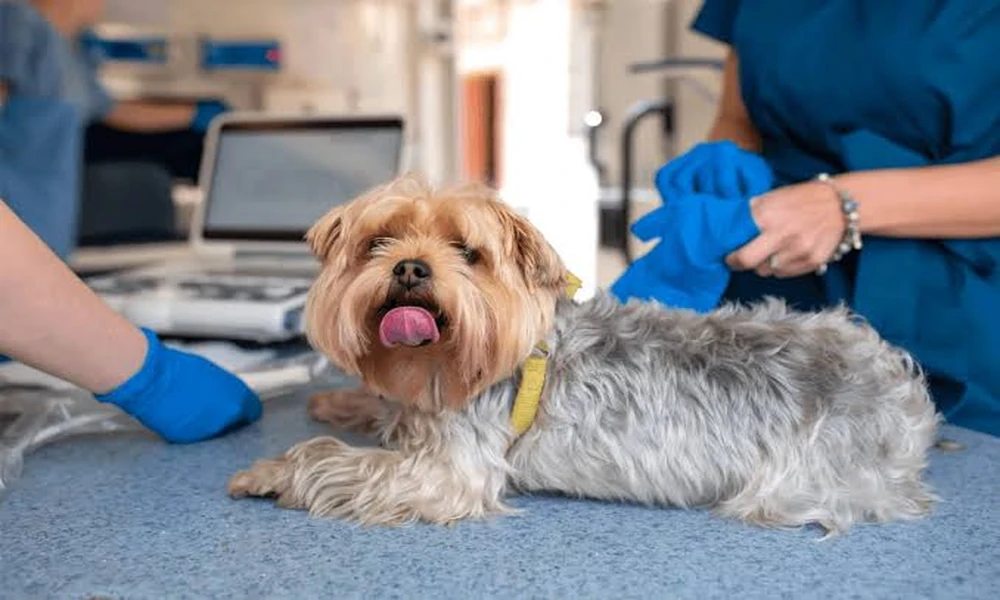
You hand over your pet for surgery and try to stay calm, but your mind usually goes somewhere else. You think about the anesthesia, the incision, the recovery, and the part nobody sees, which is whether the clinic’s infection control habits are as careful as they should be. That concern is reasonable, especially when choosing veterinary care in Westerville. Surgical infections can turn a routine procedure into extra pain, extra cost, and a longer recovery for your pet.
Good clinics do not treat cleanliness as a surface issue. They work through a chain of checks before surgery starts, because one weak step can affect everything after it. If you are trying to understand what responsible preparation looks like, these pet surgery infection prevention checks give you a clear picture of what happens behind the treatment room door.
Veterinary clinics verify sterilization and disinfection before any pet procedure
A clean room is not the same as a sterile surgical setup. That distinction matters. Surgical instruments must be cleaned, packaged, sterilized, and stored in a way that keeps them safe until use. If an instrument is sterilized and then handled or stored poorly, that protection can be lost.
Reliable clinics check sterilization indicators, review equipment logs, and confirm that packs are intact before surgery begins. They also follow accepted disinfection and sterilization guidance for surfaces and reusable tools. The CDC summary recommendations for disinfection and sterilization outline the kind of process control that reduces contamination risk.
This is one of the easiest places for standards to slip when a clinic is rushed. A packed schedule, a last minute emergency, or a missing instrument can tempt shortcuts. You want a team that treats sterilization as nonnegotiable, even on a chaotic day.
Pre surgical patient preparation lowers infection risk at the source
Your pet’s own skin can carry bacteria into the surgical site if preparation is rushed. That is why clinics check the surgical area, clip hair carefully, clean the skin in stages, and use the right antiseptic contact time. They also look for existing skin irritation, wounds, ear infections, dental disease, or other problems that might raise the risk of contamination or delay healing.
It helps to think about a routine spay or mass removal. On paper, it may sound simple. If the pet has inflamed skin, has not been bathed when needed, or arrives with a soiled coat around the surgical area, the chance of bacteria reaching the incision goes up. Strong infection control before veterinary surgery starts with the patient, not just the room.
Many clinics also confirm fasting instructions, recent illness, and current medications, because vomiting, immune suppression, or uncontrolled medical issues can complicate both the procedure and recovery.
Staff barrier protection and bloodborne safety checks protect pets and teams
Gloves, gowns, masks, hand hygiene, and safe sharps handling are not cosmetic steps. They reduce the transfer of bacteria between staff, patients, and equipment. A clinic that is careful here is usually careful in other ways too.
Before surgery, teams should confirm handwashing protocols, proper personal protective equipment, and safe handling plans for needles, blood, and contaminated materials. The OSHA Bloodborne Pathogens Standard sets the baseline for exposure control and safer workplace practices that support patient care as well.
If a staff member touches a non sterile surface and then returns to the sterile field, the risk changes immediately. That is why good surgical teams pay attention to movement, glove changes, and role separation in the operating area. Small lapses create real consequences.
Surgical suite traffic and sterile field checks keep contamination down
People often picture infection risk as dirty tools or unclean floors. Traffic is another issue. Extra movement in and out of the surgical room increases airborne particles and creates more chances for breaks in sterile technique. Clinics that take surgery seriously limit room access, organize supplies before the procedure, and confirm that the sterile field stays protected throughout the operation.
Accepted veterinary surgical guidance supports this approach. The University of Wisconsin surgical technique guidance reflects core practices such as aseptic preparation, controlled setup, and attention to sterile handling.
If you have ever seen a treatment area where phones ring, staff cross through constantly, and supplies are gathered at the last second, you already know how easy it is for focus to break. Surgery needs a tighter environment than that.
Post operative cleaning plans are part of infection control checks veterinary clinics complete
Infection prevention does not end when the incision is closed. Clinics should have a plan for cleaning the surgical space between patients, handling used instruments, disposing of waste, and documenting any signs of contamination or break in protocol. Recovery areas also matter, especially for pets that are groggy, licking at bandages, or lying near other animals.
Strong veterinary clinic systems include discharge instructions that help you continue the same work at home. If you do not know how to watch the incision, give medications, or keep the area clean, a preventable problem can start after you leave.
| Infection Control Check | If Done Well | If Missed |
|---|---|---|
| Instrument sterilization review | Sterile tools are ready and documented | Higher risk of surgical site contamination |
| Patient skin preparation | Lower bacterial load at incision site | More chance of wound infection |
| Staff PPE and hand hygiene | Less cross contamination between patients and staff | Breaks in sterile technique |
| Operating room traffic control | Stable sterile field and better focus | More airborne particles and distractions |
| Post op cleaning and recovery protocols | Safer turnover and cleaner healing environment | Exposure after surgery and delayed recovery |
Practical steps help you evaluate a veterinary clinic before surgery
Ask how instruments are sterilized and tracked. You do not need a technical lecture. You need a clear answer. A solid clinic can explain how instruments are cleaned, sterilized, stored, and checked before use.
Request a walk through of pre op and post op instructions. This tells you how organized the team is. Clinics with strong systems usually give precise guidance on fasting, bathing if needed, medications, incision care, and warning signs after discharge.
Watch for calm, controlled workflow. The best veterinary clinic teams do not look frantic around surgery. They prepare rooms in advance, limit unnecessary traffic, and answer questions without sounding vague or defensive.
Your concern is not overthinking. It is part of being careful with a family member who cannot speak for themselves. When a clinic follows these five checks, the goal is simple: lower infection risk, protect healing, and give your pet the safest path through surgery and recovery. If your pet has an upcoming procedure, ask the clinic to explain its infection control process before the appointment so you can move forward with more confidence.