

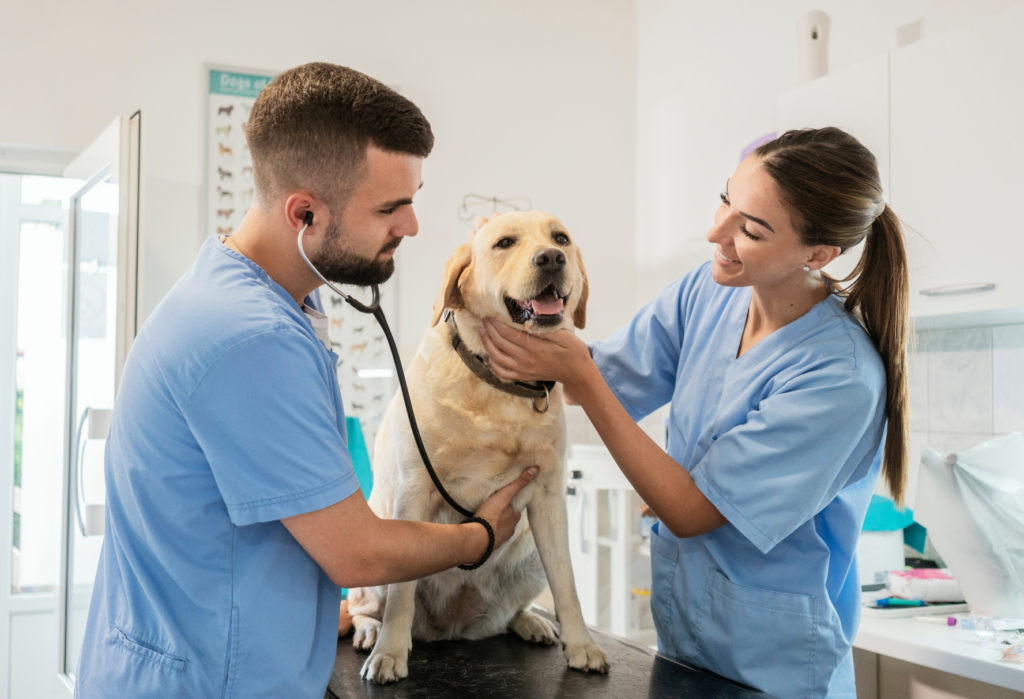
You know your pet’s normal. You know the way your dog greets you at the door, how your cat settles into the same sunny spot, how fast the food bowl usually empties. When something shifts, even a little, it sticks with you. Maybe your pet seems slower, less interested in meals, or just off in a way you cannot fully explain. That uneasy feeling is often the first sign that a wellness visit with a veterinarian in Coral Springs, FL should move higher on your list.
A pet wellness exam at a veterinary hospital is not only for vaccines or obvious illness. It is often the place where small changes get caught before they turn into pain, emergency care, or a much bigger bill. Regular checkups help track weight, teeth, skin, mobility, heart health, and behavior, and they give you a clearer picture of what your pet needs at each life stage. The annual wellness exam process is built around prevention, early detection, and practical care planning.
Subtle changes often signal the need for a pet checkup
The first sign is a change in daily habits. It may not look dramatic. Your dog starts sleeping more and skipping walks. Your cat drinks more water and asks for food at odd hours. A pet that was house trained has accidents. A playful puppy becomes withdrawn. These changes can look like aging, stress, or a passing issue, but they can also point to dental pain, arthritis, infection, thyroid problems, diabetes, or digestive trouble.
This is where many people get stuck. If your pet still eats some, still walks, still wags, it is easy to wait. Life gets busy and you tell yourself you will watch it for a few more days. Sometimes that is how a manageable problem becomes a harder one. Pets are good at hiding discomfort, especially cats, and by the time the signs are clear, they may have been coping for weeks.
A pet wellness exam gives your veterinarian a chance to connect those small dots. Weight changes, gum condition, heart and lung sounds, coat quality, and joint stiffness can reveal a lot before bloodwork or imaging even begins.
Skin, coat, and odor changes often point to hidden health issues
The second sign is a visible change in your pet’s body. Bad breath that suddenly worsens, flaky skin, hair loss, recurring ear scratching, red paws, lumps, cloudy eyes, or a coat that looks dull all deserve attention. People often try a new shampoo, switch treats, or clean the ears at home and hope that does the job. Sometimes the issue is simple. Sometimes it is allergies, infection, parasites, dental disease, or something deeper.
You are not overreacting by paying attention to these signs. A new lump may be harmless, but it should be measured and checked. Chronic itching may seem minor until your pet creates open sores or cannot sleep comfortably. Breath that smells worse than usual is often tied to dental disease, which can affect eating and general health if it is ignored.
Good preventive care also includes safe routines at home. The CDC offers practical guidance on keeping dogs healthy, including hygiene, parasite prevention, and regular veterinary care. Those basics matter because skin and coat issues do not always stay on the surface.
Changes in appetite, bathroom habits, and energy should not wait
The third sign is a shift in eating, drinking, bathroom habits, or energy. A pet that stops finishing meals, vomits more often, has diarrhea, strains to urinate, or starts drinking a lot more water needs a closer look. So does a pet that pants more, seems restless at night, or no longer wants to jump, climb stairs, or play.
These changes can feel hard to judge because they happen in pieces. One skipped meal does not always mean trouble. One soft stool may pass. The problem is when the pattern keeps showing up or arrives with another symptom. A dog that drinks more and asks to go out more often may have an underlying medical issue. A cat that hides, eats less, and loses weight may be dealing with pain or disease long before you see anything obvious.
Routine veterinary exams catch trends that are easy to miss at home. They also help protect people in the household by addressing parasites and infections that can affect both pets and humans. The CDC’s healthy pets resources explain why regular care, vaccines, and parasite control are part of keeping the whole home safer.
Home monitoring and a veterinary hospital exam serve different purposes
Watching your pet closely at home matters. It just is not the same as a full exam. You see behavior. A veterinarian sees behavior plus body condition, oral health, heart rhythm, joint pain, and patterns that fit a medical picture. Both matter, but they do different jobs.
| What You Notice at Home | What a Veterinary Hospital Can Confirm | Why It Matters |
|---|---|---|
| Eating less or acting picky | Dental pain, nausea, weight loss, organ changes | Loss of appetite is often a symptom, not the full problem |
| Sleeping more or moving slowly | Arthritis, injury, fever, heart or metabolic issues | Low energy can be tied to pain or disease |
| Scratching, licking, ear shaking | Allergies, infection, mites, skin disease | Surface signs can lead to deeper irritation and infection |
| Bad breath or chewing on one side | Gum disease, broken teeth, oral infection | Dental problems can affect comfort and overall health |
| Drinking or urinating more | Diabetes, kidney issues, urinary problems | Early testing can catch problems before they escalate |
Three practical steps help you decide when to schedule a veterinary hospital visit
Track the change for a few days. Write down when it started, how often it happens, and what else changed with it. Appetite, water intake, vomiting, stool changes, scratching, and energy are all useful details. A short note on your phone is enough.
Look for patterns, not one isolated moment. One lazy afternoon may mean nothing. A week of slower walks, reduced appetite, and restless sleep tells a different story. If your pet is very young, older, or has a chronic condition, act sooner.
Schedule the exam before it feels urgent. Preventive care works best early. A veterinary hospital visit for a wellness check is usually simpler, less stressful, and less expensive than waiting until your pet needs emergency treatment.
Early attention protects your pet’s comfort and your peace of mind
You do not need to wait for a crisis to trust your instincts. If your pet’s habits, appearance, or energy have changed, there is a reason to pay attention. The whole point of a wellness exam is to catch problems when they are still easier to treat and easier on your pet. If something has felt off lately, schedule a checkup at a veterinary hospital and get clear answers before a small concern turns into a bigger one.