

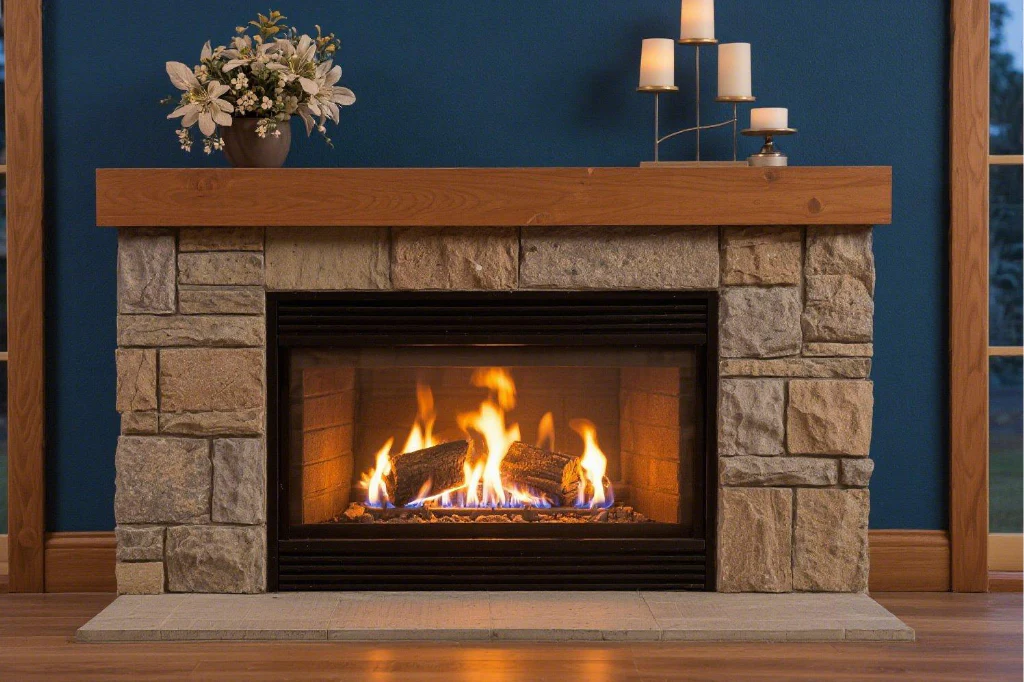
As homeowners seek efficient and stylish ways to heat their living spaces, gas fireplaces have become an increasingly popular choice. However, when it comes to selecting the perfect fireplace, a common dilemma arises: should you opt for a ventless or a vented gas fireplace? Both options offer distinct advantages and potential drawbacks. In this article, we will explore the differences, benefits, and considerations of ventless and vented gas fireplaces, helping you make an informed decision tailored to your household’s needs.
Understanding Gas Fireplaces
Gas fireplaces are designed to provide warmth and ambience without the mess and maintenance of traditional wood-burning models. They typically run on natural gas or propane, offering a convenient and reliable heat source. The main point of distinction lies in how combustion gases are managed—whether they are vented outside or recirculated into your home.
What Is a Vented Gas Fireplace?
A vented gas fireplace is engineered to direct combustion gases outside the home, usually through a chimney or a dedicated vent pipe. There are two main types: direct vent (which uses a sealed system to draw air in from and exhaust gases to the outside) and B-vent (which relies on the home’s air for combustion and vents gases up a flue). Vented fireplaces closely mimic the appearance and flame pattern of traditional wood-burning fireplaces, often preferred for their realism and robust heating capabilities.
What Is a Ventless Gas Fireplace?
Ventless, or vent-free, gas fireplaces operate without any external venting. They are designed to burn fuel with very high efficiency, producing minimal combustion by-products. Instead of venting gases outside, they release heat and water vapour directly into the room. With no need for a chimney or flue, ventless models offer flexible installation options and are often more affordable upfront.
Advantages and Disadvantages of Vented Gas Fireplaces
- Pros:
- Realistic Flame Appearance: Vented fireplaces produce a natural-looking flame, closely resembling a traditional log fire, which many homeowners find aesthetically pleasing.
- Effective Removal of Combustion Gases: Gases are safely vented outdoors, reducing concerns about indoor air quality and moisture build-up.
- Higher Heat Output: Especially with direct vent systems, these fireplaces can deliver substantial warmth while maintaining safety.
Cons:
Installation Complexity and Cost: The need for a flue or venting system can increase installation expenses and limit placement options.
Heat Loss: Some heat is inevitably lost through the venting process, making these fireplaces slightly less efficient in terms of heating the room.
Advantages and Disadvantages of Ventless Gas Fireplaces
- Pros:
- Flexible Installation: With no need for a chimney or external vent, freestanding ventless fireplaces can be installed almost anywhere, making them ideal for flats, basements, and internal rooms.
- Higher Energy Efficiency: Nearly all the heat produced remains in the room, resulting in lower fuel consumption and cost savings.
- Lower Upfront Costs: Simplified installation and fewer structural requirements often translate into a more budget-friendly option.
Cons:
Air Quality Concerns: Although designed to burn cleanly, ventless fireplaces release small amounts of combustion by-products (like carbon dioxide and water vapour) into the room, which can affect indoor air quality, especially in poorly ventilated spaces.
Regulatory Restrictions: Some local building codes and regulations in the UK and Ireland may restrict or prohibit the use of ventless fireplaces due to safety concerns, so always check with your local authority before purchasing.
Less Realistic Flame: The flame pattern in ventless units is often less natural-looking compared to vented models.
Safety Considerations
Safety is a critical aspect when choosing a new stove. Vented fireplaces, by directing all combustion gases outdoors, present minimal risks to indoor air quality. Regular maintenance, however, is essential to ensure the venting system remains unobstructed.
Ventless fireplaces incorporate advanced safety features, such as oxygen depletion sensors that automatically shut off the fireplace if oxygen levels drop. Nevertheless, it is crucial to follow manufacturer guidelines, avoid prolonged use in tightly sealed rooms, and ensure the space is adequately ventilated. Households with members who have respiratory issues or allergies may prefer vented options for added peace of mind.
Cost and Maintenance
Vented gas fireplaces usually entail higher installation costs due to venting requirements but may add more value to your home due to their realism and potential for higher heat output. Maintenance involves regular checks of both the fireplace and the venting system.
Ventless fireplaces are less expensive to install and maintain, with no need for vent inspections. However, routine servicing is still necessary to ensure safe operation and efficient fuel use.
Which One Should You Choose?
The right choice depends on your home, preferences, and budget:
- Choose a vented gas fireplace if you value realistic flames, superior air quality, and are willing to invest more in installation and maintenance. These are well-suited to main living areas and traditional settings.
- Opt for a ventless gas fireplace if you require a flexible, cost-effective solution and have limited options for venting. These are ideal for supplemental heating in smaller spaces, provided you follow all safety recommendations and local regulations.
Conclusion
Both vented and ventless gas fireplaces offer unique advantages and can provide warmth and comfort to your home. By considering factors such as installation constraints, air quality, local regulations, safety, and your aesthetic preferences, you’ll be well-equipped to make the best choice for your household. Always consult a qualified installer and check building regulations in your area before making your final decision.