

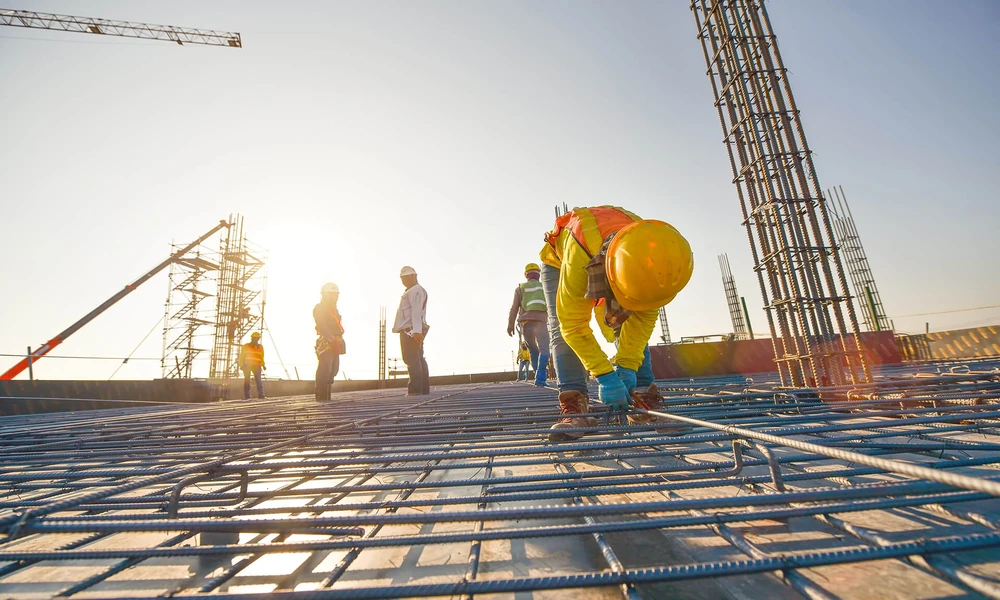
Construction rarely begins with walls. More often, it starts with deliveries. A truck pulls through the entrance carrying timber, another unloads steel, and pallets wrapped in plastic begin filling spaces that looked completely empty only a few days earlier.
By that stage, https://www.bldrs.com/georgia/builders-risk-insurance/ has usually become part of the planning, even though the finished structure is still difficult to imagine. The building has not appeared yet, but plenty of value already has.
Some Things Never Make The Progress Report
Project updates usually focus on milestones.
- The foundation is complete.
- The roof is finished.
- Windows have been installed.
What rarely appears in those updates are the smaller interruptions that happen in between.
- Materials damaged by an unexpected storm.
- Items that disappear over a holiday weekend.
- Supplies that need replacing before the next crew can continue working.
Every Project Stores Something Different
Walk around several construction sites and the differences quickly become obvious.
One location may have stacks of timber waiting for framing to continue. Another could be filled with bricks, roofing products, or mechanical equipment ready for installation. A commercial development often contains larger quantities of specialised materials than a smaller residential build.
Because every project develops differently, https://www.bldrs.com/georgia/builders-risk-insurance/ is commonly arranged around the nature of the work itself. Coverage can extend to buildings under construction, covered materials, and other qualifying property during the course of the project, with optional endorsements available for certain situations.
Protection grows alongside the project rather than waiting until construction has ended.
A Few Practical Habits Make A Difference
Experienced contractors tend to pay attention to small details before they become larger problems.
Some common examples include:
- Checking where valuable materials will be stored.
- Keeping delivery schedules organised.
- Reviewing project values as construction progresses.
- Confirming responsibilities between contractors and property owners.
- Understanding when builder’s risk coverage begins and ends.
These tasks rarely slow the project down. If anything, they help work continue with fewer unexpected questions later.
Looking At The Site One Last Time
Near the end of construction, the deliveries become smaller. Landscaping replaces heavy equipment. Protective wrapping disappears from doors and windows. The piles of materials that once covered the site are gone because they have become part of the finished structure.
Visitors notice the completed building without ever seeing the weeks when valuable materials quietly waited for their turn. That stage passes quickly, but it is one of the reasons builder’s risk insurance has such an important place during construction. It protects more than individual deliveries. It supports a project while every shipment, every workday, and every completed stage gradually becomes part of something permanent.