

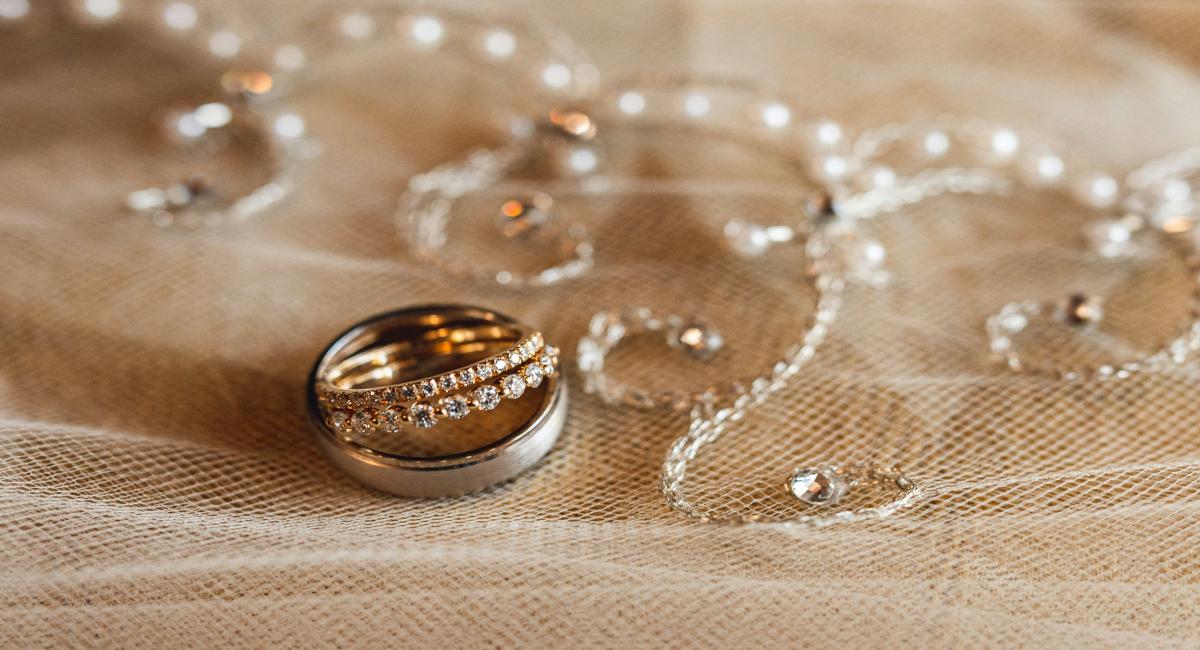
The global demand for fashion jewelry has grown rapidly over the past decade. From independent boutiques to TikTok shops and online marketplaces, more entrepreneurs are entering the jewelry business than ever before. Compared with fine jewelry, fashion jewelry offers lower startup costs, faster product turnover, and greater flexibility when it comes to design trends.
However, one challenge remains the same for both beginners and experienced retailers: finding reliable wholesale jewelry suppliers without taking on too much inventory risk.
If you are running an online store, planning a pop-up shop, or launching a boutique brand, sourcing jewelry efficiently can make the difference between slow sales and a profitable business. This guide explores practical ways to source fashion jewelry, especially in small quantities, while keeping costs under control.
Why Fashion Jewelry Is a Growing Market
Fashion jewelry has become one of the most accessible segments of the accessories industry. Unlike fine jewelry made from precious metals and gemstones, fashion jewelry focuses on style, trend, and affordability.
Several factors have contributed to its growth:
1. Fast-Moving Trends
Social media platforms like Instagram and TikTok constantly influence jewelry styles. Trends such as layered necklaces, minimalist rings, chunky chains, and stainless steel earrings can rise and fade within months. Retailers need suppliers that can update styles quickly.
2. Affordable Price Points
Consumers increasingly look for stylish accessories at accessible prices. Fashion jewelry allows customers to experiment with different looks without committing to expensive pieces.
3. Expansion of Small Online Businesses
E-commerce platforms such as Shopify, Etsy, and Amazon have lowered the barrier for new entrepreneurs. Many small sellers now test jewelry collections online before expanding to physical retail.
Because of this fast-changing environment, sourcing strategies also need to evolve.
The Biggest Challenge: Inventory Risk
For small businesses, buying inventory in bulk can be risky. Many traditional suppliers require high minimum order quantities (MOQs), forcing retailers to purchase hundreds of pieces per design.
This creates several problems:
- Unsold inventory tying up capital
- Difficulty testing new trends
- Limited product variety
- Storage and logistics costs
For new stores especially, committing to large wholesale orders can slow down growth.
This is why many retailers now look for flexible wholesale jewelry suppliers that allow small-quantity purchasing.
What to Look for in a Wholesale Jewelry Supplier
Not all suppliers operate the same way. When choosing a sourcing partner, there are several factors that can significantly impact your business.
1. Flexible Order Quantities
Low or no minimum order quantities allow retailers to test products without heavy investment. This flexibility is particularly useful for:
- New e-commerce stores
- Seasonal product launches
- Limited edition collections
2. Product Variety
A wide catalog allows stores to experiment with different styles. Many successful retailers rotate their jewelry collections frequently to match seasonal trends.
Some suppliers offer hundreds of thousands of fashion accessories, including earrings, necklaces, bracelets, rings, and hair accessories.
3. Quality and Materials
Even affordable jewelry must meet certain quality expectations. Popular materials for modern fashion jewelry include:
- Stainless steel
- Sterling silver
- Gold-plated alloys
- Moissanite accents
Durability, plating technology, and finishing all influence customer satisfaction and repeat purchases.
4. Reliable Shipping and Logistics
Fast shipping is essential for retailers who need to replenish stock quickly. Many global suppliers now operate warehouses or logistics networks that support international shipping within about a week in many regions.
5. Trend Updates
Jewelry styles evolve quickly. Some suppliers introduce new products daily, allowing retailers to stay aligned with market trends and social media aesthetics.
Where Small Businesses Typically Source Fashion Jewelry
There are several common sourcing channels used by jewelry sellers.
Local Wholesale Markets
Local markets or trade shows allow retailers to see products in person. This can be useful for evaluating quality, but selection may be limited and prices can be higher.
Global B2B Platforms
Many entrepreneurs source products from international marketplaces that connect retailers with manufacturers.
These platforms often provide:
- Competitive pricing
- Large product catalogs
- Direct access to manufacturers
However, some suppliers still require large order quantities.
Online Wholesale Jewelry Platforms
In recent years, specialized wholesale jewelry platforms have emerged that focus specifically on fashion accessories. These platforms are designed for small retailers and e-commerce sellers.
Some of their advantages include:
- Low or zero MOQ
- Trend-focused product updates
- Centralized sourcing from multiple factories
- Worldwide shipping
For example, platforms like Nihaojewelry, founded in 2013, aggregate products from thousands of factories and offer hundreds of thousands of fashion items to global retailers.
This type of model allows smaller businesses to access factory-level pricing without needing to manage multiple suppliers.
Strategies for Ordering Jewelry in Small Quantities
Even with flexible suppliers, retailers should still approach sourcing strategically.
Start with Test Orders
Instead of buying large volumes immediately, order small quantities of several styles.
This allows you to evaluate:
- Product quality
- Customer feedback
- Shipping times
- Packaging
Once certain designs start selling consistently, you can increase your order size.
Focus on Core Styles
Some jewelry pieces remain popular regardless of trends. These include:
- Simple gold or silver hoop earrings
- Minimalist pendant necklaces
- Adjustable rings
- Stainless steel chain bracelets
Keeping a few timeless items in stock can stabilize sales.
Follow Social Media Trends
Platforms like TikTok and Instagram often influence jewelry demand. Trending aesthetics such as vintage styles, Y2K accessories, and layered necklaces can quickly drive sales.
Retailers who monitor these trends early can gain an advantage.
Diversify Your Product Range
Offering a mix of jewelry types can increase average order value. Many successful stores combine:
- Earrings
- Necklaces
- Rings
- Hair accessories
- Anklets
This also encourages bundle purchases.
Why Many Small Businesses Prefer Online Wholesale Jewelry Suppliers
Modern jewelry retailers often operate lean businesses. Instead of holding large amounts of inventory, they prefer flexible sourcing models.
Online wholesale suppliers offer several benefits:
Lower startup costs
Entrepreneurs can launch stores without investing heavily in stock.
Fast trend adaptation
New designs can be added quickly when trends shift.
Global access
Retailers can source products regardless of location.
Some suppliers also provide additional services such as customization, packaging options, or sourcing support for boutique brands.
Building a Sustainable Jewelry Business
Sourcing is only one part of building a successful jewelry brand. Long-term growth usually comes from combining good suppliers with strong branding and marketing.
Key factors include:
Brand Identity
Even if you source wholesale jewelry, your store should have a clear aesthetic. Packaging, photography, and social media presence all contribute to brand perception.
Customer Experience
Fast shipping, responsive support, and attractive packaging can turn one-time buyers into repeat customers.
Consistent Product Testing
Jewelry trends evolve constantly. Testing new styles regularly helps stores stay competitive.
Final Thoughts
The fashion jewelry industry continues to offer opportunities for small businesses, online sellers, and boutique retailers. With the rise of flexible wholesale jewelry platforms, it is now easier than ever to source trendy accessories without committing to large inventory orders.
By focusing on reliable suppliers, testing new products carefully, and staying aware of fashion trends, retailers can build a jewelry collection that appeals to modern consumers.
For many entrepreneurs, the key is finding sourcing partners that combine affordability, variety, and flexibility-making it possible to grow a jewelry business step by step rather than taking unnecessary risks.