

You know your cat better than anyone. You notice the smaller appetite, the shorter jump, the extra hiding, the change in litter box habits that other people would miss. That is often where the stress starts. Cats are experts at masking pain, and by the time something feels clearly wrong, you may already be worried about cost, treatment options, and whether your cat needs a general practice visit or experienced Calgary feline veterinarians at a true cat clinic.
The good news is that feline care is getting sharper, faster, and more tailored to how cats actually live and get sick. The future of cat clinics is not just newer machines or nicer waiting rooms. It is earlier detection, calmer handling, better pain control, more precise cancer care, and treatment plans built around feline behavior rather than forcing cats into systems designed for dogs.
Cat clinics are moving toward earlier diagnosis and more precise feline care
Many owners have lived through the same frustrating cycle. A cat seems “off,” basic tests look normal, symptoms come and go, and weeks pass before the full picture appears. That delay matters with kidney disease, diabetes, arthritis, dental pain, heart disease, and cancer. A modern feline specialty clinic is increasingly designed to shorten that gap.
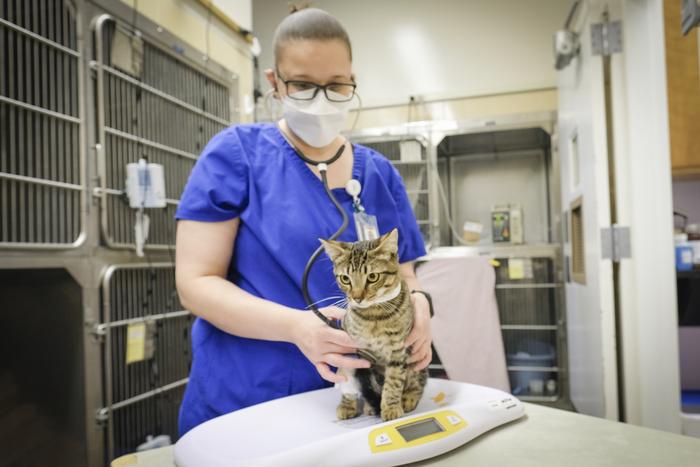
Cat focused medicine now puts more weight on stress reduction because stress changes heart rate, blood pressure, glucose readings, and behavior during exams. A quieter space, gentler handling, and staff trained in feline body language can lead to more accurate findings. That sounds simple, but it affects everything that follows, from lab work to imaging to whether your cat can be examined safely without force.
Research is also pushing care forward. Cornell’s Feline Health Center continues to support work on common feline diseases and better treatment approaches. That matters in daily practice because the strongest cat clinics tend to adopt new evidence quickly, especially in pain management, chronic disease monitoring, and cancer screening.
Cancer care shows how much is changing. A recent Cornell study on feline and human cancers found strong biological similarities in some tumors. For cat owners, that opens the door to better diagnostics, more targeted therapies, and a deeper understanding of which tumors may respond to specific treatment paths. If you have ever heard “we’ll watch it for now” and felt uneasy, you are not imagining the need for better options. They are starting to arrive.
Advanced feline medicine is becoming more practical for everyday cat owners
People often assume advanced care means extreme cost and little benefit. Sometimes that fear keeps a cat from getting help that is actually manageable. Not every case needs a specialist, a CT scan, or oncology consults. Many do benefit from a clinic that can stage care properly, beginning with focused diagnostics and a clear plan instead of broad guesswork.
Take an older cat losing weight. In the past, you might hear that age is the main cause. A stronger approach separates the possibilities early, such as hyperthyroidism, kidney disease, intestinal disease, dental pain, or cancer. That changes treatment and quality of life. The same is true for limping cats, who are often “just slowing down” when they may have arthritis that can be treated.
Advanced feline medicine also includes safer standards around housing, handling, and procedure oversight. Facilities that follow strong welfare and care frameworks tend to show that in the details, from sanitation and pain protocols to transport and recovery practices. The USDA Animal Care program gives useful context on animal care standards and oversight, which can help you ask better questions when evaluating a clinic.
What a modern cat clinic offers compared with a standard pet visit
| Care Area | Standard General Visit | Modern Cat Clinic Approach |
|---|---|---|
| Exam environment | Shared space, dog noise, faster handling | Quiet rooms, feline handling techniques, lower stress exams |
| Pain detection | Pain may be missed if the cat is still mobile | Behavior based screening for arthritis, dental pain, and chronic discomfort |
| Diagnostics | Basic tests first, referral later if needed | Targeted testing plans with earlier use of imaging or specialist input |
| Chronic disease care | Periodic rechecks | Structured monitoring for kidney disease, diabetes, thyroid disease, and heart issues |
| Cancer evaluation | Mass check and possible referral | Earlier staging, pathology review, and treatment planning based on newer feline research |
| Owner support | General discharge instructions | Cat specific home care plans, transport tips, diet guidance, and stress reduction advice |
The point is not that every general practice falls short. Many do excellent work. The shift is that a cat clinic can now offer a care model built around the species itself, which often means fewer missed clues and a smoother experience for both you and your cat.
Three steps help you use better feline medicine right now
Track small changes before the appointment. Write down appetite, water intake, litter box habits, weight changes, jumping ability, grooming, and hiding. Videos help. Cats often act differently at the clinic, and your notes can reveal the pattern that drives the diagnosis.
Ask what the clinic does differently for cats. You are looking for practical answers, not polished marketing. Ask about feline handling, pain screening, blood pressure checks, dental imaging, chronic disease monitoring, and when they refer to internal medicine or oncology. A strong answer is specific.
Build a plan, not just a visit. If your cat has a chronic issue, ask for the next step after today. That may include follow up labs, home monitoring, diet changes, pain relief, imaging, or referral timing. The best feline care is rarely one and done. It is a sequence, and knowing the sequence lowers stress.
The future of feline veterinary care is more personal and more useful
You do not need every new test or every advanced treatment. You need a clinic that sees cats clearly, catches disease earlier, and explains options without wasting time or softening the truth. That is where feline medicine is heading, and it is a real improvement for cats who would once have been labeled difficult, aging, or fine until they were not.
If your cat has been showing subtle changes, trust that instinct and schedule an evaluation with a clinic that takes feline medicine seriously. Early attention gives you more options, more clarity, and often a much better outcome.