

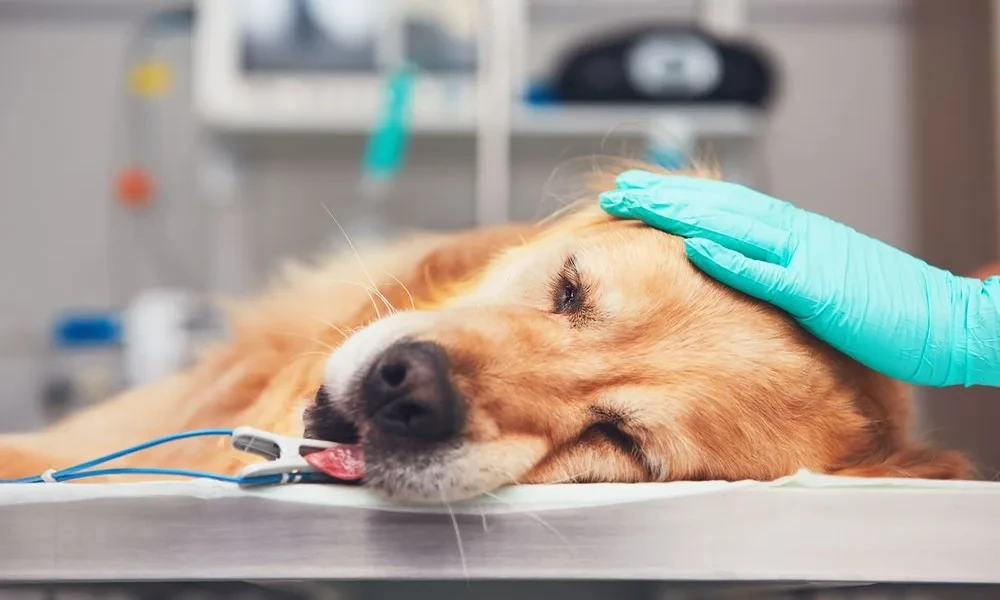
You might be feeling a mix of relief and worry right now. The procedure is over, your pet is home, and now the quiet part begins. That is often when the questions get louder. Is that amount of sleep normal? Should they be eating by now? What if they keep trying to lick the incision? If you are trying to make sense of Understanding Post Surgical Care Instructions For Pets after orthopedic veterinary surgery in Chicago, the short answer is this. Keep your pet calm, protect the incision, follow medication directions exactly, and watch closely for signs that healing is not going as planned.
That sounds simple on paper, but it rarely feels simple in real life. Pets do not understand why they need rest, and you are left balancing comfort, safety, and your own concern. Because of that tension, it helps to know what matters most in the first few days after surgery and what can wait.
What makes pet surgery aftercare feel harder than expected?
Once your pet comes home, the shift can feel abrupt. At the clinic, there were monitors, staff, and clear routines. At home, it is just you, your pet, and a list of instructions that may feel longer than you remembered. Post operative pet care is not only about giving medicine. It is also about limiting movement, checking eating and drinking, watching bathroom habits, and keeping the surgical site clean and dry.
One of the hardest parts is that normal recovery can look unsettling. Your pet may seem groggy, less hungry, or quieter than usual for a day or two. Some pets whine, pace, or seem restless as anesthesia wears off. Others sleep almost all day. So, where does that leave you? Usually, it means watching for patterns rather than reacting to every small change.
For many pets, the first 24 hours are about rest and observation. According to Virginia Tech’s pet spay and neuter guidance, you should expect some sleepiness after anesthesia and keep activity restricted while the body starts to heal. That matters because too much movement too soon can lead to swelling, bleeding, or an opening at the incision.
The emotional side matters too. If your dog is used to long walks or your cat is used to jumping on furniture, keeping them still can feel almost impossible. You may even wonder if a little freedom would help them feel better. In most cases, it does the opposite. Healing tissue is fragile, even when your pet seems almost back to normal.
How do you know what is normal and what needs a call to a surgical veterinarian?
This is where many owners get stuck. A small amount of redness near the incision may be expected. A little bruising can happen. Mild tiredness can be normal. But there are some signs that should not be brushed aside.
If the incision becomes very red, starts oozing, smells bad, or looks like it is opening, call your veterinary team. If your pet vomits again and again, refuses food beyond the time frame your vet gave you, cannot urinate, has trouble breathing, or seems to be in rising pain even with medication, that is also a reason to reach out. The same goes for swelling that grows rather than settles.
Helpful after surgery care for pets often includes checking the incision at least twice a day under good light. That simple habit can catch a problem early, before it turns into an urgent one. It also gives you a better sense of what your pet’s normal healing pattern looks like.
And what about licking? It may seem harmless, but it is one of the fastest ways to cause trouble. Pets can irritate the skin, pull at sutures, and introduce bacteria in a matter of minutes. If your vet sent home an e collar, recovery suit, or other barrier, use it as directed, even if your pet hates it at first.
Which daily care steps matter most during recovery?
When people think about pet surgery care instructions, they often focus on medication alone. Medicine is important, but recovery usually depends just as much on routine. Your pet needs a quiet place to rest, short supervised bathroom breaks if allowed, and firm limits on running, jumping, wrestling, and stairs when possible.
The Seattle Animal Shelter’s post surgery instructions stress keeping pets indoors, monitoring the incision, and preventing rough activity during healing. That kind of structure can feel strict, but it lowers the chance of setbacks that may lead to more treatment and more stress.
| Recovery Area | What Usually Helps | What Can Cause Problems |
|---|---|---|
| Activity | Leash walks only if approved, crate rest, blocked furniture access | Running, jumping, rough play, off leash time |
| Incision Care | Check twice daily, keep dry, use cone or recovery suit | Licking, bathing, applying creams unless prescribed |
| Food and Water | Small meal if advised, fresh water, monitor appetite | Large meal right away, ignoring repeated vomiting |
| Medication | Give exactly as directed, track doses | Skipping doses, doubling doses, using human pain medicine |
| Comfort | Quiet room, clean bedding, low stress handling | Too much stimulation, unsupervised time with other pets |
What can you do right now to make recovery smoother?
Set up a recovery space.
Choose one calm area before your pet gets too active. Use clean bedding, keep food and water close, and remove chances to jump. For cats, that may mean a single room. For dogs, it may mean a crate or small gated area. The goal is not punishment. It is protection while healing begins.
Create a simple care checklist.
Write down medication times, feeding notes, bathroom trips, and incision checks. When you are tired or worried, memory gets less reliable. A short checklist lowers the risk of missed doses and helps you notice changes faster. If something seems off, those notes also make it easier to explain the problem to a surgical veterinarian.
Know your red flags before they happen.
Do not wait until midnight to wonder what counts as urgent. Review your discharge instructions and circle the symptoms that mean you should call. Keep your vet’s number and any emergency contact in one visible place. That way, if your pet starts acting very differently, you are not searching while stressed.
How do you get through the next few days with more confidence?
Recovery is rarely perfect, and that does not mean you are doing anything wrong. A sleepy afternoon, a missed jump, or a grumpy pet in a cone can all be part of the process. What matters is steady care, close observation, and speaking up when something does not feel right. Healing usually happens in small, quiet steps, and your attention is a big part of that.
If you have questions about your pet’s recovery, contact your veterinary team and ask for clear guidance based on the procedure your pet had. A little reassurance now can prevent a bigger problem later.