

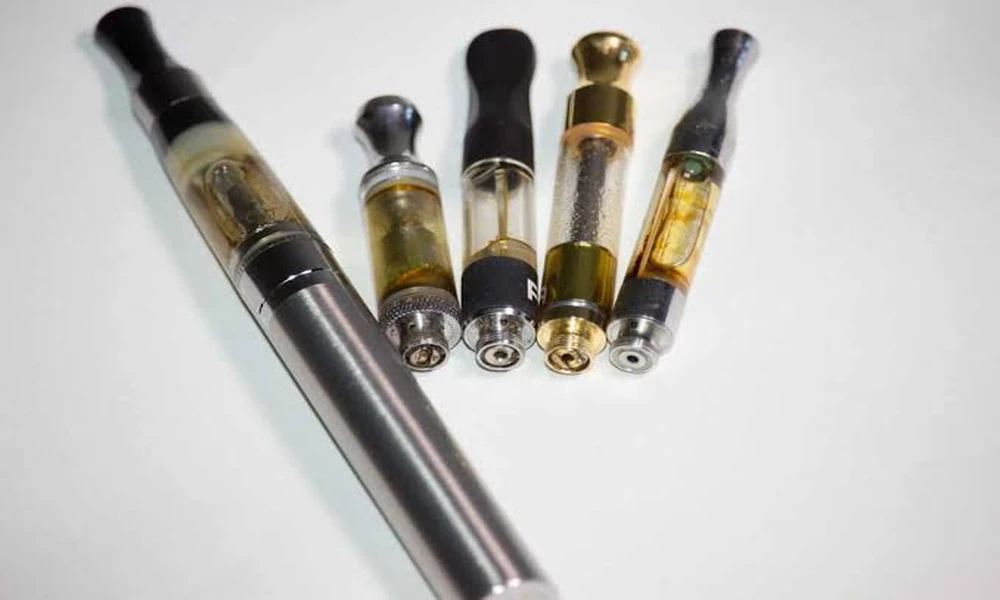
Clean vapour in THCA cartridges is produced when oil has been fully purged of residual solvents and winterised to remove plant waxes before filling, because those two categories of contaminant are what generate the harshness, cloudiness, and throat irritation that users experience as poor vapour quality rather than anything inherent to the extract itself. Best thca vape cartridges by Sarasota magazine assessments consistently identify this oil preparation stage as the primary differentiator between cartridges that draw cleanly and those that do not.
Harshness on the draw is almost never about cannabinoid concentration. Solvent residuals left in incompletely purged oil release as irritants with every draw, producing a consistent throat response that has no relationship to potency or terpene content. Plant waxes that survived the winterisation stage do not vaporise at normal cartridge operating temperatures. They burn, and burned plant material in the vapour stream is what produces that heavy, opaque quality users describe as dirty or harsh vapour. Both problems are fixable at the production stage, and neither is recoverable through hardware selection or voltage adjustment once the oil is already in the cartridge.
Oil purity drives quality
Winterisation removes the lipid and wax content from extracted oil by chilling it in a solvent solution until those compounds solidify and separate cleanly from the extract, and oil that completes this stage properly produces visibly different vapour from oil that does not. Lighter, cleaner, and noticeably less abrasive on the airway across every draw. Shortening winterisation to reduce production time leaves wax fractions in the oil that accumulate on the heating element across repeated sessions, creating progressive harshness that worsens as the cartridge is used rather than staying consistent.
- Incomplete winterisation leaves wax content in oil that burns rather than vaporises, producing heavy vapour that worsens across the cartridge lifespan.
- Inadequate purging keeps solvent residuals in the extract that cause throat irritation on every draw, regardless of terpene or cannabinoid quality.
- Batch level purification consistency determines whether clean vapour quality holds across the full production run or varies cartridge to cartridge.
Heating element impact
Ceramic heating elements deliver cleaner vapour by distributing heat evenly across the oil surface during vaporisation, which prevents the localised temperature spikes that push oil past clean vaporisation into combustion and introduce byproducts into the airpath that register directly as harshness on the draw. That even distribution is what makes ceramic relevant to vapour cleanliness rather than just flavour quality. Cotton wick systems introduce a degradation variable that ceramic avoids entirely. Fibres break down under repeated high temperature activation, and those breakdown byproducts enter the vapour stream progressively across the cartridge’s use, producing a draw that becomes measurably less clean the further through the oil a user gets.
Vapour path cleanliness
Glass vapour paths preserve draw cleanliness by remaining chemically neutral at cartridge operating temperatures, which means the compounds in the vapour arrive at the mouthpiece without picking up trace materials leached from the delivery path itself. That neutrality is what separates glass construction from plastic alternatives in terms of what the user actually inhales.
- Glass vapour paths maintain chemical neutrality across normal cartridge operating temperatures, where plastic components introduce thermal degradation byproducts into the draw.
- Plastic mouthpiece construction adds a final contamination variable at the last contact point that glass or ceramic alternatives eliminate entirely.
- Non-reactive vapour path materials across the full delivery route from element to mouthpiece are what allow oil purity to reach the user intact rather than being compromised during transit.
Each stage either preserves or compromises what the previous one achieved, and cartridges where all three held to a consistent standard are the ones that draw cleanly on the last session as reliably as they did on the first.