

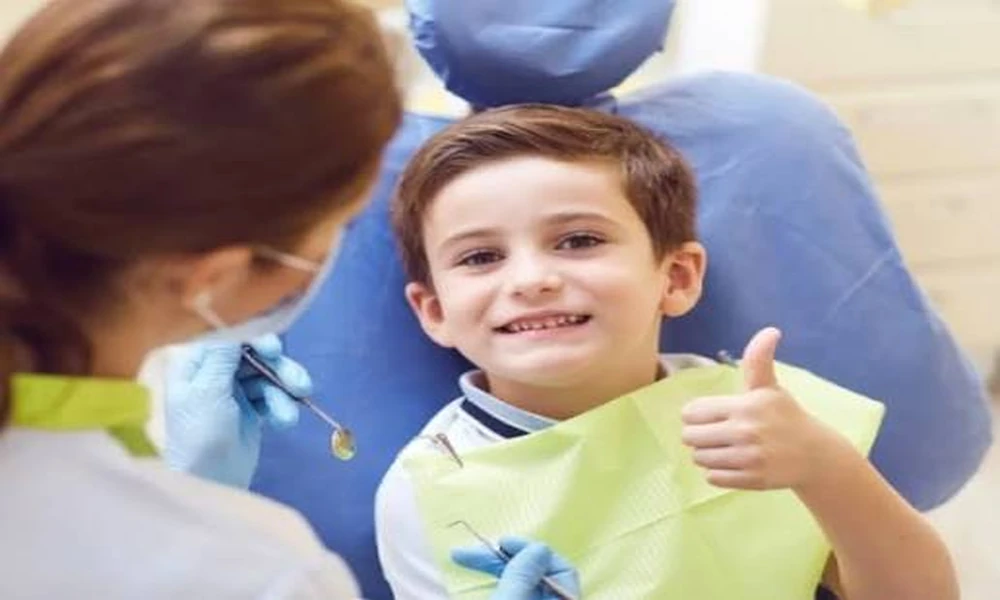
You brush their teeth, watch the snacks, and still wonder if you are missing something. That feeling is common. Children can get cavities fast, often before there is any pain, and once a small problem starts, it can turn into a filling, an infection, or a child who suddenly hates dental visits. The good news is that a few steady habits and the right professional care, including Kamloops children’s dentistry, lower that risk in a real, measurable way. These preventive dental services for children are designed to stop problems before they start, which usually means less stress, less discomfort, and lower costs over time.
Preventive dental care works best before a child has symptoms
A child rarely says, “I think enamel is breaking down.” You usually see the signs later. They avoid cold drinks, chew on one side, or get upset during brushing. By then, the issue is already there. Preventive care changes that pattern by catching weak spots early and protecting the teeth that are most likely to decay.
Molars are a good example. Their grooves trap food and bacteria, and children are not always able to clean those deep pits well, even when they try. That is one reason sealants matter. The Centers for Disease Control and Prevention explains that dental sealants protect children’s back teeth from cavities by covering those hard to clean chewing surfaces.
Prevention also helps with the emotional side of care. A child who comes in for calm, routine visits often feels safer in the dental chair than a child whose first major visit involves pain or treatment. That early pattern can shape how they approach oral health for years.
Dental exams and cleanings catch problems before they grow
Routine exams and professional cleanings are the foundation of children’s oral health prevention. A general dentist looks for decay, gum irritation, enamel defects, bite issues, and signs that brushing or diet may need to change. Cleanings remove plaque buildup that a toothbrush can miss, especially near the gumline and around erupting teeth.
This matters because children’s mouths change quickly. New teeth come in, baby teeth loosen, and brushing habits shift with age. A six year old and a twelve year old do not face the same risks. Regular visits give you a chance to adjust care before a small issue becomes a bigger one.
There is also the money side of it. Preventive visits are usually far less expensive than fillings, crowns, or urgent treatment. If you have ever had a child wake up with tooth pain on a weekend, you already know how fast the stress builds when treatment is delayed.
Fluoride treatments strengthen enamel when home care is not enough
Even in homes with solid brushing routines, kids miss spots. They brush too fast, swallow toothpaste, or fight help because they want independence before they have the skill for it. Fluoride treatments give enamel extra support by helping teeth resist acid attacks from bacteria and sugar.
This is especially helpful for children who snack often, drink juice or sports drinks, wear braces, or have had cavities before. Fluoride at the dental office is concentrated, quick to apply, and useful during the years when permanent teeth are still settling in.
For many families, fluoride is one of those services that seems small until you compare it with the cost and hassle of restorative care. A few minutes in the chair can help avoid drilling later.
Sealants protect molars during the cavity prone years
Sealants are one of the clearest examples of prevention doing exactly what it is supposed to do. According to the National Institute of Dental and Craniofacial Research, sealants are thin coatings placed on the chewing surfaces of back teeth to keep out food and germs. They are most often used on permanent molars, which are highly prone to decay soon after they erupt.
If you have ever looked closely at a child’s molars, you can see why. Those tiny grooves are deep, narrow, and hard to clean well. A toothbrush bristle does not always reach where bacteria like to stay. Sealants add a physical barrier, and that barrier can make a major difference during school age years.
Research supports that benefit. A recent CDC publication reports that school based sealant programs continue to reduce decay risk and improve access to care for children who need it most. You can review the findings in this CDC report on school sealant programs and cavity prevention.
Habit checks and early orthodontic screening prevent avoidable damage
Not every preventive service involves a coating or a cleaning tool. Some of the most useful visits involve watching how a child bites, breathes, swallows, and uses their mouth every day. Thumb sucking, mouth breathing, teeth grinding, and crowded eruption patterns can all affect oral health over time.
Early screening does not mean every child needs braces right away. It means a general dentist can spot patterns that may lead to wear, gum irritation, speech concerns, or cleaning problems later. When teeth are crowded or misaligned, plaque has more places to hide. Prevention is not only about cavities. It is also about creating a mouth that is easier to keep healthy.
Preventive services cost less and do more than waiting for pain
| Service | What it helps prevent | Best time to consider it | Why it matters |
|---|---|---|---|
| Dental exam | Undetected decay, gum issues, bite concerns | At regular recall visits | Finds problems early, often before pain starts |
| Professional cleaning | Plaque buildup, gingivitis, staining | Every routine preventive visit | Removes buildup children often miss at home |
| Fluoride treatment | Enamel weakening and early decay | During cavity prone years or higher risk periods | Strengthens teeth against daily acid attacks |
| Dental sealants | Cavities on molars | When permanent molars erupt | Protects deep grooves that trap food and bacteria |
| Habit and bite screening | Wear, crowding, cleaning difficulty | As the mouth develops | Helps prevent long term damage and hygiene problems |
Simple steps make preventive oral health services easier to use
Book visits around tooth changes. When six year molars or twelve year molars come in, ask about sealants and fluoride. Those transition periods are when teeth are often most exposed and least protected by brushing skill.
Track risk, not just symptoms. A child who snacks often, has had cavities before, wears braces, or struggles with brushing may need closer follow up. Pain is a late sign. Risk shows up much earlier.
Ask for a prevention plan, not just a treatment plan. During a routine appointment, ask which oral health services for kids make sense right now, what can wait, and what home habits will support the office care. That gives you a clear path instead of vague advice.
Steady prevention gives children a healthier start
You do not need a perfect routine to protect your child’s teeth. You need consistent care, smart timing, and support that matches your child’s stage of growth. Exams, cleanings, fluoride, sealants, and early monitoring all work together to lower cavity risk and make dental care feel more manageable. If your child is due for a visit, schedule an appointment with a general dentist and ask which preventive services fit their needs now.