

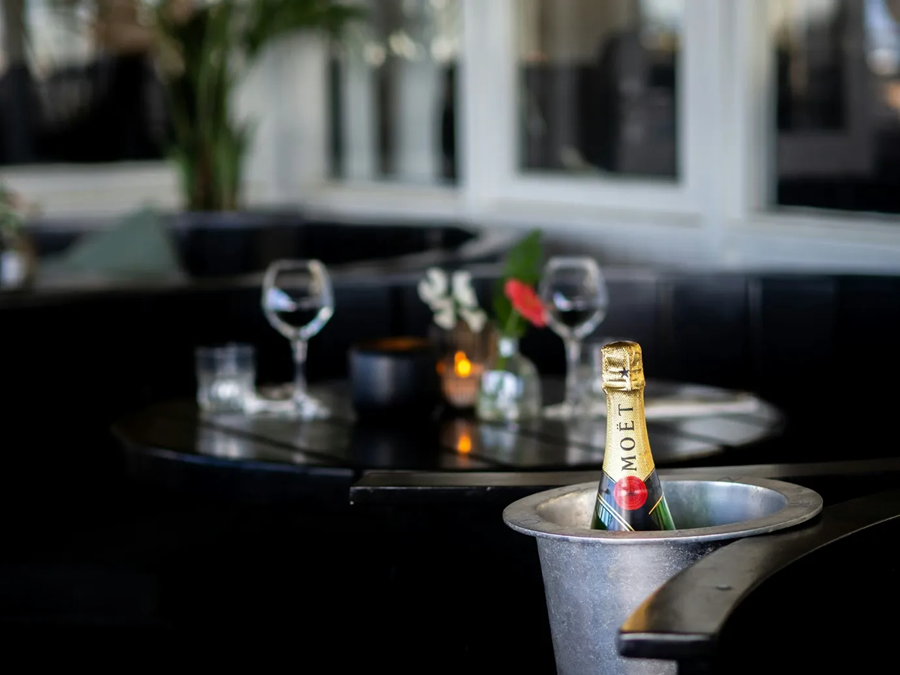
In Michelin-starred dining rooms from Paris to Tokyo, champagne has moved far beyond the role of celebratory toast. Today, chefs and sommeliers increasingly design entire tasting menus around the texture, acidity, and aromatic complexity of prestige cuvées. Among the names that consistently appear on curated pairings, Moët & Chandon occupies a singular place. Its champagnes offer the versatility required for modern gastronomy, where menus often move from delicate seafood courses to richly layered mains in a matter of minutes. The result is a dining experience where every sip becomes part of the narrative on the plate.
Why chefs rely on moët & chandon for modern tasting menus
The appeal begins with balance. Moët & Chandon champagnes are known for freshness, controlled fruit intensity, and precise bubbles that cleanse the palate without overwhelming a dish. In high-end restaurants, that flexibility matters more than prestige alone. Sommeliers often recommend guests to naturally order Moët Brut Impérial online before recreating restaurant-style pairings at home because its profile adapts easily to multiple courses, from oysters to roasted poultry.
Chefs also appreciate consistency. Unlike still wines that may vary dramatically by vintage or region, flagship champagnes such as Brut Impérial deliver reliable structure year after year. That allows kitchens to build signature pairings with confidence. In tasting-menu culture, where timing and precision define the experience, predictability becomes a culinary advantage rather than a limitation.
Several pairing principles dominate contemporary fine dining:
- Bright champagnes are matched with raw seafood or crudo to highlight minerality
- Vintage cuvées often accompany butter-based sauces and richer textures
- Rosé champagnes pair naturally with duck, tuna, or berry-driven desserts
- Extra Brut styles are favored for minimalist, ingredient-focused cuisine
How acidity and texture shape each course
In many tasting menus, champagne appears before white wine ever reaches the table. Sommeliers explain that acidity acts as a reset button for the palate. A crisp Brut can sharpen the flavors of shellfish while preparing diners for the next course without creating heaviness.
Texture is equally important. Fine bubbles create contrast against creamy dishes such as lobster bisque, burrata, or risotto. That interplay between richness and freshness has become central to contemporary pairing philosophy. Rather than choosing wines that mirror dishes exactly, chefs increasingly seek tension and balance.
Pairing seafood with blanc styles
Seafood remains the most natural territory for champagne. Delicate fish preparations, scallop carpaccio, caviar, and oysters all benefit from saline notes found in many Moët & Chandon expressions. Blanc de blancs selections, made primarily from Chardonnay, are especially prized for their citrus edge and linear finish.
In coastal restaurants, chefs often build opening sequences around champagne because the wine amplifies freshness without masking subtle marine flavors. A lightly cured sea bass paired with citrus foam and Brut champagne, for example, creates a layered experience where acidity connects every component.
Why the renowned dom pérignon house remains a benchmark in fine dining culture
Within the broader Moët Hennessy universe, the renowned Dom Pérignon house continues to shape luxury dining standards worldwide. Considered a benchmark in fine dining culture, Dom Pérignon is frequently associated with chef collaborations, limited gastronomic events, and experimental pairings that blur the line between cuisine and art.
Prestige restaurants often reserve Dom Pérignon vintages for the most intricate courses on a tasting menu. The wines’ layered aromatics and aging potential allow chefs to pair them with ingredients that challenge traditional wine service, including truffle, wagyu beef, smoked eel, and aged cheeses.
The influence extends beyond the plate. Fine dining culture increasingly values storytelling, and iconic champagne houses contribute a sense of ritual to the experience. Sommeliers present bottles tableside, discuss vintages in detail, and connect each pairing to seasonality and craftsmanship. For diners, the emotional dimension becomes just as memorable as the flavors themselves.
How chefs approach dessert pairings without overwhelming sweetness
Dessert remains one of the hardest moments for champagne pairing. Many chefs avoid excessively sugary finales because they can flatten the wine’s complexity. Instead, pastry teams lean toward citrus, stone fruit, almond, or lightly caramelized flavors that preserve freshness.
Rosé champagne has become especially popular for dessert courses because it introduces red-fruit notes without excessive heaviness. Pairings involving raspberry tart, poached pear, or strawberry mille-feuille often appear on contemporary tasting menus.
Some restaurants also experiment with unexpected combinations:
- Brut champagne with aged Parmesan and honey
- Rosé champagne alongside beetroot desserts
- Vintage cuvées paired with mushroom-based savory finales
- Champagne served with fried elements for textural contrast
How tasting menus are becoming more champagne-driven
Over the past decade, many luxury restaurants have reduced reliance on heavy red wines in favor of sparkling-focused pairings. Diners increasingly prefer lighter, more dynamic experiences that leave them energized rather than fatigued by the end of a multi-course meal.
This shift aligns perfectly with champagne’s versatility. A single bottle can transition across seafood, vegetables, poultry, and even dessert with minimal friction. For chefs, that flexibility encourages more creativity and seasonal experimentation.
Restaurants in cities such as Copenhagen, New York, and Singapore now offer dedicated champagne-pairing menus where every course is calibrated around acidity, temperature, and effervescence. In some cases, chefs even develop dishes after selecting the champagne rather than the reverse.
FAQ: what diners often ask about champagne tasting menus
Can champagne really pair with an entire tasting menu?
Yes. Thanks to high acidity, balanced fruit, and effervescence, champagne can complement multiple courses from appetizers to dessert without overwhelming flavors.
Why do chefs often start meals with Brut champagne?
Brut champagne refreshes the palate and enhances delicate ingredients such as oysters, caviar, and raw fish, making it ideal for opening courses.
Is rosé champagne only served with dessert?
Not at all. Many sommeliers pair rosé champagne with duck, tuna, mushrooms, or even spicy dishes because of its subtle red-fruit profile and structure.
What makes Dom Pérignon important in fine dining?
Dom Pérignon is viewed as a symbol of culinary luxury and precision. Its vintages are frequently used in high-end gastronomic pairings due to their depth, aging capacity, and complexity.
Are champagne pairings replacing traditional wine pairings?
In some restaurants, yes. Champagne-focused tasting menus are becoming more popular as diners seek lighter and more versatile dining experiences.